Why Claims That Donald Trump Was Shot Again Lack Confirmation
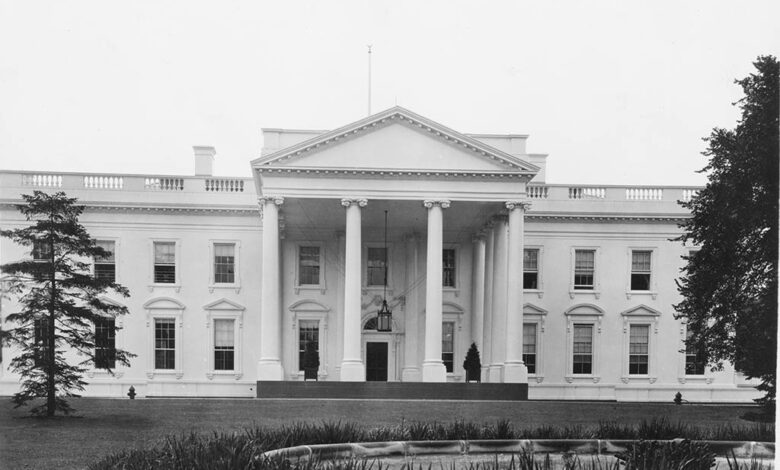
Federal authorities also remain silent on any such emergency – a strong indication that the story is not based on real events. Much of the confusion appears to stem from recycled footage, misleading captions, and click-driven posts designed to generate fear and engagement rather than provide verified information.
Several of the viral posts traced back to unverified social accounts and private groups, where dramatic language is often used without evidence.
In the current digital environment, where misinformation can spread faster than official updates, such false alarms are becoming increasingly common. It is important to distinguish this rumor from the very real and widely documented assassination attempt that occurred in 2024 at a rally in Butler, Pennsylvania, where Trump was wounded but survived.
That incident led to sweeping security changes, federal investigations, and a criminal case that remains part of the public record. Since then, there have been heightened security protocols around the former president, with multiple foiled threats reported – but no confirmed new shooting incident as described in today’s viral claims.
Security Concerns and Misinformation Dangers
Security experts warn that false reports like these can have serious consequences
They can cause unnecessary panic, overwhelm emergency services with inquiries, mislead the public, and erode trust in real news reporting. They also place added strain on public safety agencies that must repeatedly respond to rumors instead of real emergencies. Political analysts note that high-profile figures like Trump remain constant targets for misinformation, especially during election seasons and periods of national tension.
Sensational headlines are often crafted to trigger emotional reactions, encouraging users to share before verifying. In many cases, the goal is not to inform, but to generate clicks, outrage, or division. For now, all available verified information confirms that Donald Trump has not been shot again, in Washington or elsewhere.
Officials urge the public to rely only on trusted news outlets and confirmed government statements for developments involving national security or public safety.
As this incident shows, not everything labeled “breaking news” online is real. In an age where a single unverified post can reach millions in minutes, caution, verification, and patience remain the most reliable defenses against panic and deception.
A familiar image can make a new caption seem convincing even when the two do not belong together. The clip may document an earlier public appearance, while the text attached to it supplies a different date or location. Repeating that caption across several accounts does not establish that the accounts have separate information. They may all be sharing the same original post. That is why the identity of the source and the time of the recording matter alongside what appears on screen.
The distinction from the Butler attack is especially important. A documented earlier event does not establish that a later, similarly worded claim is true. A current report needs evidence tied to the incident it describes. The linked explanation draws attention to that gap: dramatic wording presents an immediate emergency, while the supporting details needed to identify such an emergency are absent. Reading the explanation beyond its headline changes the meaning of the post from an announcement of a shooting to a discussion of an unsupported claim.