Trumps Remarks About Press Rules and the Debate Over Media Independence
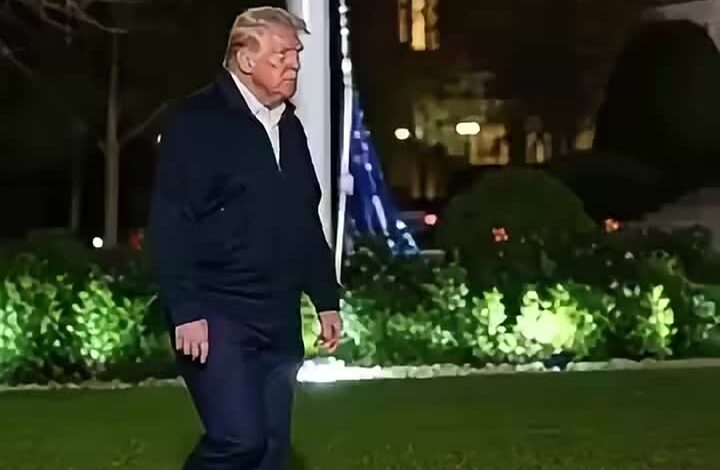
EXECUTIVE SUMMARY Former President Donald Trump warned journalists that institutional press rules are going to change, alarming First Amendment advocates and media watchdogs.
Former President Donald Trump warned journalists during a recent briefing that the institutional rules governing the news media are going to change, sparking intense debate over press freedom and executive overreach. The unvarnished declaration went beyond routine political disputes by directly targeting the legal protections, operational norms, and institutional access that have shielded independent journalism for generations.
First Amendment scholars and press freedom advocates immediately flagged the statement as a deliberate escalation. Rather than ordinary political posturing, the remarks signaled a potential threat of institutional retaliation against news organizations, prompting urgent discussions among media ethicists regarding the erosion of fundamental democratic safeguards.
Constitutional experts emphasize that an uninhibited press exists to serve the public interest by scrutinizing institutional power and uncovering official malfeasance. History demonstrates that when executive authorities gain leverage to dictate allowable stories or control reporter accreditation, vital checks on government overreach rapidly deteriorate.
In response to mounting political pressure, media advocates argue that newsrooms must double down on methodological rigor. Emphasizing exhaustive sourcing, rapid correction protocols, and transparent editorial workflows is crucial for demonstrating accountability and resisting attempts to delegitimize critical reporting.
Furthermore, legal scholars note that existential threats to journalistic independence demand unprecedented institutional solidarity. While commercial news organizations traditionally operate as fierce competitors, weathering systemic political pressure requires a collective, unified response across the entire media landscape to preserve democratic transparency.
The practical meaning of a change in press rules depends on what is being changed. A briefing schedule, a room’s capacity and the process for asking a question concern the organization of an event. A policy that penalizes a newsroom for critical coverage raises a different question about the relationship between access and editorial independence. Describing the actual rule matters because those situations have different consequences for the public’s ability to hear questions and examine the answers.
Reporters’ access also affects the record that reaches people outside the room. Follow-up questions can clarify a statement, expose an unanswered point or ask how an announced policy will work. When an official answer is incomplete, the opportunity to ask again becomes part of the reporting process. The audience benefits from being able to see both the statement and the scrutiny it receives, rather than receiving only a selection of favorable exchanges.
Newsrooms’ responsibilities continue alongside that scrutiny. A report should distinguish a speaker’s words from the interpretation placed on them, identify the information supporting a claim and correct mistakes clearly. Those standards remain relevant when the subject of a story disputes the coverage. Public trust depends on the work being open to examination as well as on reporters being able to examine officials. The tension described in the article therefore concerns more than a single exchange at a briefing. It concerns how official information becomes a public record and how that record can be questioned.
For readers, the useful record includes the proposed rule, its stated purpose and the explanation of how it would operate in practice.