Remembering Phil Donahue and His Approach to Television Conversation
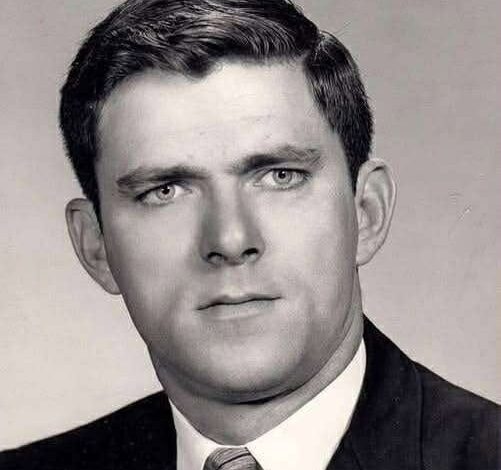
Phil Donahue died on August 18, 2024, at age 88. This article recalls his career and the discussion format that made his programme familiar to television audiences.
Phil Donahue died on August 18, 2024, at age 88. The Television Academy records his death and his place in the history of television. The date places the linked reflection in the context of a loss reported in 2024.
The format of his programme gave the audience a role in the conversation. Instead of leaving every question to the presenter and every answer to the guest, Donahue moved through the room and invited people to speak. The camera had to follow the exchange, and the guest could be asked something by a person whose connection to the subject was different from the host’s. The structure made the audience visible as participants.
That structure could change the pace. A carefully rehearsed answer might meet an unexpected question, or an audience member might explain why a topic affected their own life. The presenter still had responsibility for managing the discussion. Choosing when to follow up, move on or let someone finish could determine whether a difficult exchange became useful to the people watching.
The source describes the programme as a place where subjects could be debated in public. That is a large claim, but the format itself gives a concrete reason for it. Several people could hear the same account and respond from different positions. Viewers at home could observe those reactions along with the guest’s answer. The discussion had a physical setting and people had to share it.
A retrospective can recognise that approach without assuming that every episode achieved the same result. The familiar image of Donahue with a microphone among the audience is memorable because it captures the programme’s arrangement in a single scene. His work helped establish a style of daytime discussion in which the people in the room mattered to what appeared on screen.
The linked text asks what remains of that approach after his death. A grounded answer starts with the record of the programme and the conversations it made possible. The August 2024 date belongs alongside that remembrance, giving readers the context missing from a caption that describes the loss as though it has just happened.
Phil Donahue’s absence feels like losing a town square disguised as a talk show. He turned daytime TV into a place where ordinary people could confront power, trauma, and each other in real time. No filters, no delay, just the raw risk of being changed by what you heard. He didn’t promise safety; he promised honesty and a chance to be seen.
In a culture that now rewards instant outrage over patient listening, his legacy is less nostalgia than assignment. We cannot resurrect his studio, but we can resurrect his ethic: sit in the discomfort, ask the question no one wants, and stay long enough to hear the answer. The mic doesn’t pass to a single successor; it splinters into millions of hands. The real tribute to Donahue is terrifyingly simple: stop performing, start listening, and let the next hard conversation actually hurt.