CENTCOM Reported a Seventh Night of Strikes Against Iran on July 17
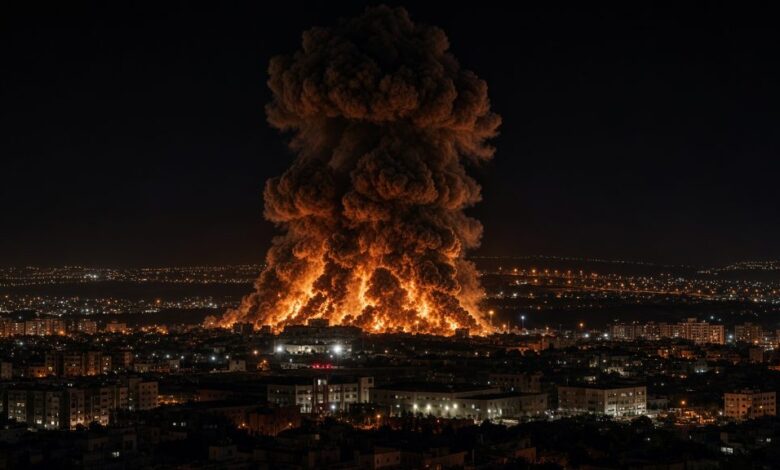
U.S. Central Command dated the seventh night of strikes to July 17, 2026. In its release that evening, the command said the operation ended at 9:30 p.m. Eastern time. That is the date attached to the military announcement described in the linked article. The date matters because a reel can circulate months after the news it describes, even if the footage and caption retain breaking-news graphics.
The official statement described the operation from the American military’s perspective. Its date and stated scope provide a reference point for reading the footage alongside later reports about separate incidents.
BREAKING NEWS: The U.S. military has continued its campaign against Iranian military targets for a seventh consecutive night, as U.S. Central Command released additional footage showing what it described as the latest phase of ongoing operations across the region. According to CENTCOM, the latest strikes targeted a range of Iranian military capabilities, including surveillance and intelligence facilities, logistics infrastructure, underground weapons-storage sites and maritime assets. U.S. officials said the operations are intended to weaken Iran’s ability to conduct military operations and project power throughout the region.
Footage released through official military channels showed U.S. aircraft, precision-guided strikes and elements of the planning and execution of the campaign. American officials have continued to maintain that the strikes are focused on military assets and strategic infrastructure rather than civilian targets. Independent assessments of the damage and broader impact of the attacks remain ongoing.
The continued operations mark another major development in an increasingly volatile confrontation between Washington and Tehran. Military analysts say the sustained campaign demonstrates the scale and intensity of the U.S. operation while raising questions about whether the conflict will remain limited or expand into a wider regional confrontation.
Iranian Response and Regional Concerns
Iranian officials have condemned the U.S. strikes, accusing Washington of violating Iran’s sovereignty and international law. Tehran has warned that continued attacks could carry serious consequences and has vowed to respond. The increasingly hostile rhetoric has heightened concerns among neighboring governments and international observers.
Across the Middle East, governments are closely monitoring developments and strengthening security measures. Authorities have reviewed emergency-response plans, increased surveillance and urged restraint as they assess the potential for further escalation. The conflict is also raising concerns over regional shipping routes, energy infrastructure and commercial aviation.
Any expansion of military operations could disrupt critical transportation and energy networks, creating broader economic and security consequences beyond the immediate battlefield. At the same time, diplomatic efforts are continuing as governments and international organizations call for restraint.
Diplomatic Efforts Amid Escalation
World leaders have urged Washington and Tehran to pursue diplomatic channels and avoid actions that could trigger a larger conflict. U.S. defense officials continue to assess the effectiveness of the campaign, monitor intelligence and evaluate potential threats to American forces and regional partners. Analysts caution that the situation remains highly fluid, with military developments capable of changing rapidly.
As airstrikes and diplomatic efforts continue simultaneously, the confrontation remains one of the most closely watched security crises in the world, with governments and global markets monitoring the possibility of further escalation.