The Claim That William and Kate Are Expecting a Fourth Child
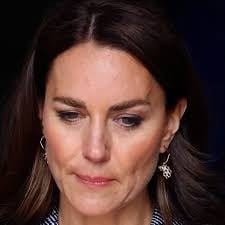
An online article claims that Prince William and Catherine, the Princess of Wales, are expecting a fourth child. It presents the claim as a happy announcement and describes the news as a moment of relief and celebration after a period in which Catherine had spoken publicly about her health. The article gives no date or venue for the supposed announcement, quotes no statement from either of them, and provides no details that establish a pregnancy.
The article names the couple’s three children, Prince George, Princess Charlotte and Prince Louis. It uses that familiar family detail to frame the idea of another child as a continuation of a story readers already know. The three names provide context for what the article means by a fourth child. They provide no evidence for the claim itself. A story can begin with accurate background and then make a separate assertion that still needs its own support.
The piece also describes the reaction it says followed the news. It speaks of royal fans offering congratulations and support, though it gives no examples, names no people who responded and does not say where those messages appeared. Even if readers shared congratulations, that would show how they reacted to a report they had seen. It would leave open the question of how the report was obtained and whether the underlying announcement had actually taken place.
Much of the story’s emotional weight comes from the way it connects the claimed announcement to Catherine’s health. It presents a difficult period followed by a hopeful development. That structure explains the tone of the piece, and it may also explain why a reader would remember the happy ending more clearly than the source of the information. The health reference and the pregnancy assertion are two distinct parts of the story. The former cannot establish the latter.
A more complete account would identify how the information became public. A statement, a dated appearance or an attributed interview would give readers something concrete to examine. The version circulating here offers none of those details. It also supplies no timeline for when a child would be expected and no account of who was present when the couple supposedly shared the news. Those gaps matter because the central claim concerns a personal event that only the people involved or their representatives could confirm directly.
Readers encountering the story in a social feed may see a headline or a photograph before they see the full text. A photograph of the family can make the story feel familiar and immediately recognizable, but the image alone cannot tell a reader whether a new announcement was made. The distinction is especially important when a headline uses language such as “confirms,” which implies that the article can point to the moment of confirmation.
The account is therefore a report of a circulating claim about William and Catherine and their family. Its descriptions of joy and congratulations tell readers how the writer chose to present that claim. The text leaves the question of an actual fourth-child announcement unresolved.