The Tiny Creatures Living Closer Than You Think What Everyone Should Know About Eyelash Mites
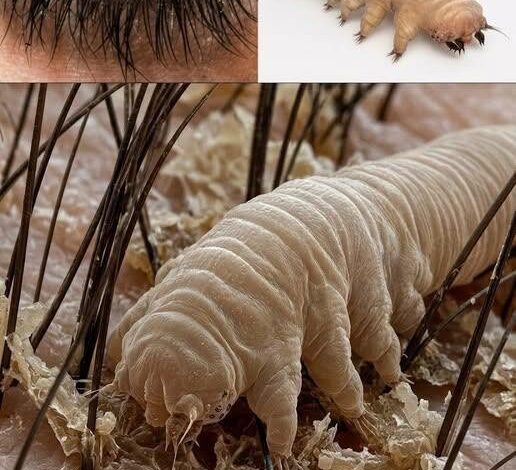
Millions of microscopic organisms share the surface of the human body, and some of the most surprising live around the eyes. Demodex mites are too small to see without magnification, yet they commonly occupy hair follicles, eyebrows, eyelashes, and oil glands. Learning that they are present can sound unsettling, especially when an enlarged image makes them look dramatic. Their existence, however, is usually part of the ordinary ecosystem of human skin rather than evidence of disease or poor hygiene.
Researchers most often discuss two species found on people, Demodex folliculorum and Demodex brevis. They spend much of their lives protected inside follicles and glands, where they consume skin oils and dead cells. Most adults carry at least some of these mites and never notice them. Their numbers also tend to rise with age, which means their discovery under a microscope is not automatically an infestation and does not by itself explain every itch or irritated eyelid.
Problems can develop when the population becomes unusually large or when a person is already vulnerable to inflammation. High numbers of mites have sometimes been linked with blepharitis, an inflammation of the eyelid margins. A person may notice burning, itching, redness, crusting near the lashes, or a gritty sensation in the eyes. Specialists have also studied possible associations between increased Demodex populations and inflammatory skin conditions such as rosacea, although the exact relationship remains an area of research rather than a simple cause-and-effect rule.
The symptoms deserve attention because many unrelated conditions can look similar. Allergies, dry eye, bacterial irritation, skin disorders, makeup residue, and other problems can all produce redness or discomfort. Trying to diagnose the cause from a startling online photograph is unreliable. A clinician can examine the eyelids and skin, consider the whole pattern of symptoms, and determine whether mites are relevant or whether another explanation and treatment make more sense.
Routine care is generally enough to support a healthy balance. Washing the face regularly, removing eye makeup thoroughly before bed, and keeping pillowcases and bedding clean can reduce oil, debris, and irritation around follicles. Makeup should not be shared, and products used near the eyes should be replaced when they are old or contaminated. These habits are useful for overall skin and eye health, but they do not mean a person can or should attempt to eliminate every microscopic organism from the body.
Sensational claims often suggest that a particular sleeping position, an unclean room, or one night in the wrong place suddenly causes mites to appear. That is misleading. Demodex mites are natural residents of human skin and are present regardless of where most people sleep. Their presence alone is not proof that someone is dirty, ill, or careless. Extreme scrubbing and unapproved home remedies can actually damage the skin barrier and make irritation worse.
Persistent symptoms are the point at which professional advice matters. Repeated eyelid inflammation, ongoing itching, unexplained redness, crusting, or eye pain should not be ignored. A healthcare professional can check for infection, allergy, dry eye, or another underlying condition and recommend appropriate care. Urgent evaluation is sensible when symptoms are severe, vision changes occur, or the eye becomes very painful.
The hidden world on human skin is more complex than the frightening images used to describe it. Demodex mites may look alarming when magnified, but for the overwhelming majority of people they live quietly without causing harm. Understanding what they are makes it easier to separate normal biology from genuine warning signs. Clean habits, measured concern, and proper medical guidance offer far better protection than fear of the tiny companions that have probably been present all along.