Which Animal Do You See First Rabbit Fish
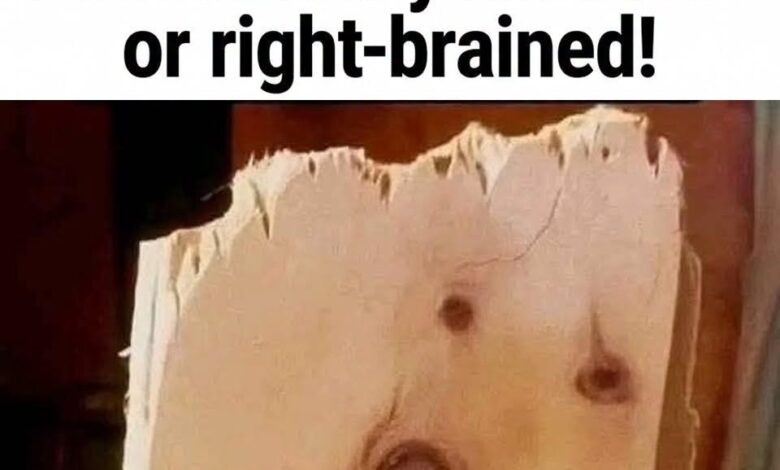
Look at the wooden shape for only a second. Some people immediately see a rabbit, while others insist the outline belongs to a dog or fish. The image is ambiguous by design: the same curves can become different ears, a snout, a body, or a tail depending on where attention lands first. Once one animal appears, it can be surprisingly difficult to make the mind release it and organize the pieces another way.
Seeing a rabbit first is often described as a sign of imagination and intuition. A person who chooses that interpretation may enjoy turning scattered clues into a larger story, moving quickly toward possibility rather than waiting for every detail. Inspiration can matter more than rules, and a strange outline becomes an invitation to ask what else it could be. The interpretation feels creative because the mind supplies what the image leaves uncertain.
Seeing the other animal first is commonly linked with structure and practical observation. The viewer may begin with the overall silhouette, compare familiar shapes, and settle on the answer that feels most physically grounded. That does not mean the person lacks creativity. In fact, switching between two readings requires flexibility. The difference is often less about a fixed personality and more about which visual clue captured attention in that particular instant.
Ambiguous pictures work because perception is active. Eyes collect lines, colors, shadows, and edges, but the brain must organize them into recognizable objects. Memory and expectation help with that task. Someone who recently saw a rabbit, owns a dog, or is thinking about a particular animal may be primed to notice that form. Lighting, screen size, and the angle of the image can also change the first impression.
These puzzles are entertaining, but they are not clinical personality tests. A single answer cannot determine whether someone is left-brained, right-brained, logical, emotional, introverted, or creative. Human thinking does not divide into such simple categories. The labels attached to viral images are best understood as playful prompts. They can start a conversation about how people notice different details, but they should not be treated as a diagnosis.
The most interesting moment comes when another person points to a feature you missed. Suddenly the image reorganizes itself. What looked like an ear becomes a tail; a head becomes a body; the impossible answer becomes obvious. That shift demonstrates how confidently the mind can commit to one explanation while valid alternatives remain present. It is a small lesson in perception and, more broadly, in the value of reconsidering an initial judgment.
So notice which animal appeared first, then deliberately search for the others. Rotate the picture, cover one section, or trace the outline from a different starting point. The result does not reveal a hidden destiny, but it does reveal perception in motion. The real power of the illusion is not the label assigned afterward. It is the instant when the familiar shape dissolves and the brain proves that it can see the very same evidence in a completely new way.
Try the puzzle with several people before revealing any suggested meaning. One person may see the rabbit, another the dog, and someone else may identify a shape none of the others considered. Ask each viewer which line guided the answer. The explanations often show different strategies: one begins with the supposed head, another with negative space, and another rotates the entire figure mentally. That conversation is more revealing than the viral personality label. It shows how attention selects evidence, how language influences recognition, and how quickly a confident first impression can soften when another observer explains a different route through the same image.