Did You Know That When You Find a Coin on the Street It Means See More
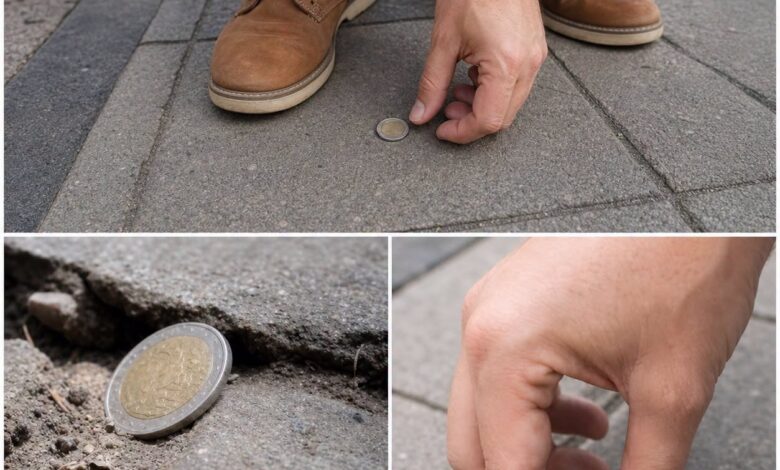
Finding a coin on the street is an ordinary event that can feel unexpectedly personal. The metal catches light near a curb or beneath a shoe, and for a moment the routine of walking is interrupted. Some people simply pick it up and put it in a pocket. Others pause because they were taught that a found coin carries a message. Depending on the family or tradition, it may represent luck, protection, a turning point, or a quiet reminder of someone who is no longer present.
The meaning is not contained in the coin itself. A small piece of currency can become symbolic because of the moment in which it appears. Someone worried about a decision may see encouragement. A person grieving a loved one may remember a shared saying or habit. Another walker may notice the year stamped on the coin and connect it with a birthday, anniversary, or important chapter. The emotional response grows from memory and circumstance rather than a rule that applies to everyone.
Across cultures, coins have long been associated with fortune and transition. They are placed in fountains with wishes, saved from important journeys, given to children, and carried as tokens. Metal endures, passes from hand to hand, and links strangers who never meet. That history can make a found coin feel like a small object with a much larger story. It traveled through shops, pockets, and homes before arriving at one particular place.
Some people call a found coin a sign from a deceased relative or an ancestor watching over them. There is no way to verify that interpretation, but its comfort can still be meaningful. The coin may prompt a person to remember a voice, repeat a lesson, or feel less alone during a difficult day. Treating it as a private symbol does not require insisting that everyone else share the same belief. The value lies in the reflection it creates.
Others follow simple luck traditions. A coin found face up may be kept, while one found face down is turned over for the next person. Some save every street coin in a jar and use the collection for a future treat or donation. A child may regard the discovery as treasure, while an adult sees only a few cents. Both responses show how attention changes the importance of an object.
Practical judgment still matters. A coin in active traffic is not worth stepping into the road, and an object on private property should not invite trespassing. If the find appears valuable or belongs with a wallet, purse, or other personal items, trying to locate the owner is more appropriate than claiming luck. Hands should be cleaned after handling currency, which passes through many environments. Symbolism does not replace ordinary care.
The next coin you find may mean nothing more than that someone dropped it. It may also arrive at a moment when you need to slow down and notice what is on your mind. You can keep it, leave it for someone else, or use it as a prompt for gratitude. Its monetary value may be tiny, but the pause can be valuable. Sometimes a small, worn object becomes a reminder that meaning is not discovered by formula; it is created through memory, attention, and the story we choose to carry forward.
A found coin can also become a small practice of generosity. Some people place it where a child will discover it, add it to a charity jar, or use it to begin a savings habit. In that sense, the meaning comes from what happens next. Luck is not simply received; it is passed forward through a choice. Whether the coin feels like coincidence, memory, or a message, its most lasting significance may be the action it inspires after the brief shine on the pavement catches your eye.