Why Do Hotels Always Place a Cloth Across the Bed? The Purpose Many People Dont Realize
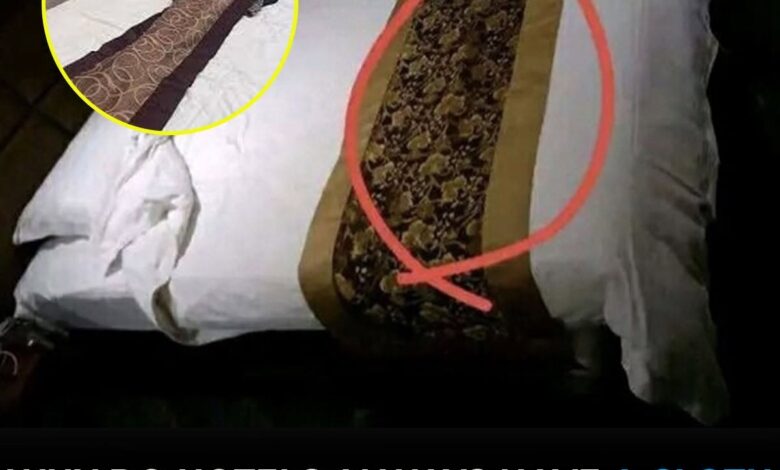
A narrow strip of fabric laid across the foot of a hotel bed can look like nothing more than a decorative flourish. Against white sheets and pillows, its darker color or patterned fabric gives the room contrast and helps the bed look finished. This familiar piece is usually called a bed runner, and although appearance is one of its purposes, hotels use it for several practical reasons as well.
White bedding is popular in hotels because it creates a clean, calm impression and makes it easier for staff and guests to notice stains. The disadvantage is that even a small mark is immediately visible. A runner gives guests a place to set down items that may not be clean enough for fresh sheets. A suitcase, handbag, phone, camera, or laptop may have been on an airport floor, in a car, or on a public counter. Placing those belongings on the runner helps keep dirt away from the linen underneath.
The cloth is also useful for anyone who likes eating or drinking in bed. Room service, snacks, and morning coffee are part of the pleasure of a hotel stay, yet crumbs and spills can quickly ruin pale bedding. The runner provides a darker and often easier-to-clean surface at the end of the bed. Families may find it especially convenient when children want a snack while watching television, because the fabric can catch crumbs before they spread across the duvet.
Another common use is as a resting place for feet. Travelers sometimes stretch out on the bed without removing their socks, slippers, or even shoes. The lower edge of the bed is the natural place for their feet, and the runner creates a barrier between footwear and the white cover. It can therefore reduce marks, odors, and the amount of cleaning needed after a guest leaves.
From a design perspective, the runner is an efficient way to give rooms a recognizable identity. Hotels can use colors connected to their brand, repeat a pattern found in curtains or cushions, or change runners seasonally without replacing all the bedding. Because the main linen remains white, staff can wash it at high temperatures and combine loads from many rooms. The smaller decorative piece can be handled separately according to its fabric and color.
The placement itself is intentional. At the foot of the bed, the runner is visible as soon as someone enters the room, yet it does not cover the pillows or the area where a guest normally sleeps. It adds visual interest without making the bed feel crowded. It can also be removed easily if a guest prefers a completely plain sleeping surface.
Guests sometimes find other uses for it. It may protect the bed when sorting clothes, provide an extra surface for personal belongings, or serve as a temporary layer beneath items that could stain the duvet. These uses are not necessarily the original reason hotels adopted the runner, but they show why the simple strip remains helpful.
Not every hotel uses the same material or dimensions. Some runners are thick and quilted, while others are light, narrow bands. Luxury properties may choose richly textured fabric, whereas busy business hotels often favor materials that are durable and simple to clean. Whatever the style, the basic idea is the same: combine decoration with a small protective zone exactly where guests are most likely to place feet or belongings.
That is why the cloth continues to appear even in rooms designed with minimal furniture. It makes a white bed look polished, protects a frequently used part of the bedding, and gives travelers a practical place for everyday items. The next time you enter a hotel room, that strip across the bed may seem less mysterious. It is a compact design choice doing several jobs at once.