Political Influence Transparency and Accountability in Washington
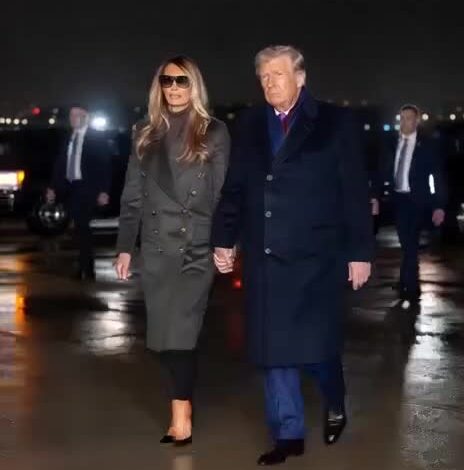
A new political controversy in Washington has triggered widespread debate over transparency, influence, and accountability, drawing responses from major figures including Donald Trump.
The discussion centers on questions about past associations, financial networks, and how influence operates within national politics. Rather than focusing solely on partisan divisions, analysts say the conversation has expanded into broader concerns about systemic issues affecting governance across the political spectrum.
What’s Driving the Debate
Much of the current scrutiny traces back to historical connections and relationships that are being re-examined with fresh attention. Observers are now questioning how access and influence are shaped through campaign financing, donor networks, and connections that often span across party lines.
Current leadership figures, including House Minority Leader Hakeem Jeffries, have faced renewed questions about past decisions and associations. For many analysts, the focus centers on consistency-whether public positions align with documented conduct.
The Broader Implications
Public reaction has been notably engaged, with voters expressing increased interest in ethical leadership and institutional accountability. Rather than viewing events through a strictly partisan lens, there is a gradual shift toward questioning the systems that support political power.
Calls for clearer boundaries, transparency measures, and potential reforms are becoming more prominent in policy discussions. Major contributors and advocacy groups maintain connections across party lines, creating a complex system where influence often remains opaque to the public.
What Comes Next
Experts suggest this moment could influence future policy discussions, campaign messaging, and voter expectations going forward. Whether it leads to concrete reforms will depend on how political leaders and institutions respond in coming months.
Trust and transparency remain central to these conversations about modern governance
The situation underscores how quickly complex political topics can reshape public perception in a fast-moving media environment. Trust and transparency remain central to these conversations about modern governance.
One question running through the discussion is whether the public can see the relationships that shape political access. Campaign contributions, advocacy work, and personal associations are different things, and a connection by itself does not establish misconduct. Assessing a particular claim requires knowing what conduct is alleged, what records support it, and whether the person concerned has had an opportunity to respond.
Consistency is another concern raised by the passage. A standard used to evaluate one party's leaders should be understandable when applied to another party's leaders. Without that consistency, a debate about accountability can become a dispute over personalities while leaving the underlying expectations unclear. The article's broader argument concerns the standards governing political influence, rather than a verified finding against a named individual.
Possible reforms would need to specify what information must be disclosed, who is responsible for providing it, and how compliance would be checked. Calls for transparency express a goal, but the practical result depends on the details of the rules and the institutions enforcing them. The passage identifies those questions without supplying a particular bill, investigation, or final decision that resolves them.
For readers, the absence of a specific documented case in this account limits the conclusions that can be drawn. It supports a discussion of access, political financing, and public trust, while leaving any separate allegation to be judged on its own evidence.