Pregnant Woman Dies During Emergency Surgery as Family Seeks Answers
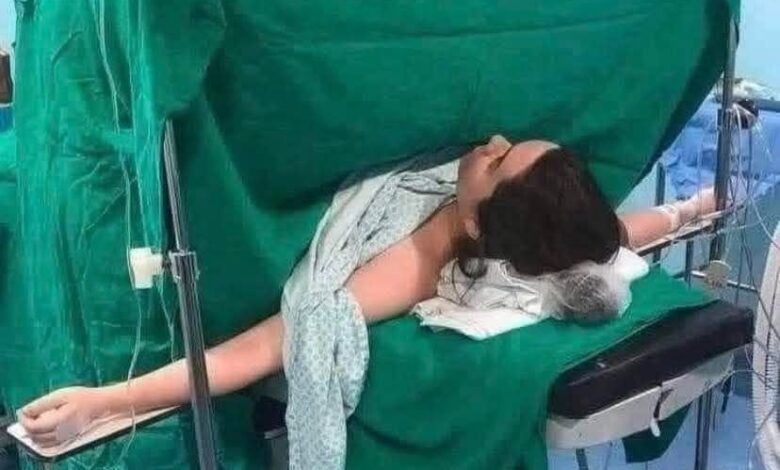
A hospital in the city is facing intense scrutiny after a pregnant woman died during an emergency surgery earlier this week. According to officials, the 29-year-old mother-to-be was admitted after experiencing severe complications late in her pregnancy. Doctors rushed her into the operating room in an attempt to protect both her and her unborn child, but the situation quickly became far more critical than expected.
Family members say she had been healthy throughout most of her pregnancy and had attended all required check-ups. They were shocked to learn that her condition deteriorated so suddenly. Relatives are now demanding answers, claiming they were left in the dark about what exactly went wrong during the procedure and whether her death could have been prevented.
The hospital released a brief statement acknowledging the tragedy and expressing condolences to the family. Administrators noted that the surgical team followed all standard protocols but that unforeseen internal complications led to the fatal outcome. An internal review has been launched, and health authorities have requested full documentation to determine whether any errors or delays occurred.
Community members have gathered outside the hospital in support of the grieving family, calling for greater transparency in maternal care and improved emergency response systems. As investigations continue, the woman’s loved ones are focused on honoring her memory and hoping the tragedy will prompt changes that could protect other expectant mothers in the future.
For the relatives, the sudden change from expecting a birth to facing a death has left both grief and uncertainty. Their account of a mostly healthy pregnancy makes the final deterioration especially difficult for them to understand. They are seeking an explanation that connects what they knew before the emergency with the decisions made once her condition became critical.
The hospital’s statement and the family’s questions describe different parts of the same unresolved situation. Administrators say the team followed its protocols and encountered unforeseen internal complications. Relatives want to know what those complications were and how the sequence unfolded. Recording both positions is essential while the review is continuing; neither the existence of an investigation nor the expression of concern establishes its eventual findings.
The requested documentation could help clarify the timing of the admission, the assessment of the woman’s condition, and the actions taken during the emergency. Those details matter because an outcome alone does not explain every decision made before it. The review described in the account is intended to examine whether errors or delays occurred, a question that remains open until the relevant records have been considered.
Beyond the hospital, the gathering of community members shows how a deeply personal loss can raise wider concerns about care and communication. Supporters are asking for transparency while the family tries to honor the woman they have lost. That support cannot provide the answers they need, but it can ensure their questions are heard. For now, their search for an explanation continues alongside the work of remembering her life.
The unanswered questions remain important to the family’s grieving process, especially as they try to understand how an anticipated moment of joy ended in such a sudden and devastating loss.