Man Says Goodbye To His Wife As They Took Her Off Life Support But Then She Utters 5 Words
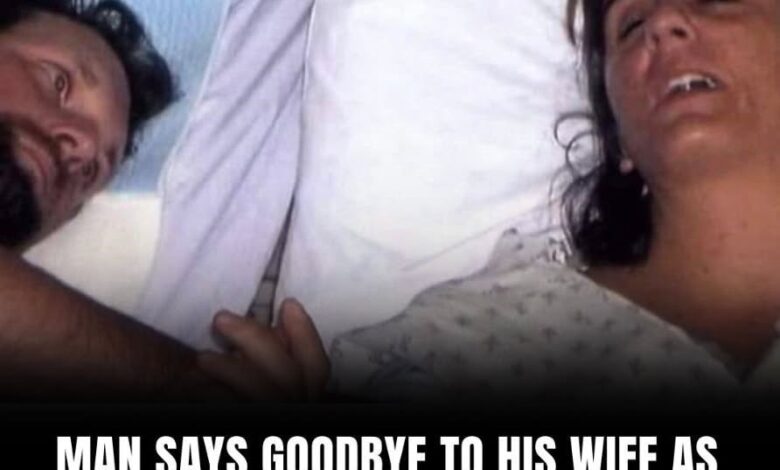
Ryan Finley woke one weekend morning and reached over to wake his wife, Jill. He rarely disturbed her on a quiet morning, but something prompted him to try. Jill did not respond. Within moments, an ordinary day became an emergency as Ryan called for help and began performing CPR.
Paramedics rushed Jill to the hospital while Ryan followed behind. Doctors determined that the 31-year-old had suffered cardiac arrest. They performed procedures to stabilize her, but she remained unresponsive. When a physician told Ryan to pray for his wife, he understood how serious the situation had become.
Jill slipped into a coma. For nearly two weeks, relatives and friends visited, spoke to her, and hoped for a change. Her cousin brought a Bible, read beside her bed for an hour, and left it with Ryan. Reading passages aloud became part of Ryan’s daily routine, a way to remain connected when there was no sign that Jill could answer.
Doctors eventually told him they did not expect meaningful improvement. Ryan went home on the eleventh day to confront a decision he had been dreading. Continuing life support offered hope, but the medical team believed that hope was no longer supported by Jill’s condition.
On the fourteenth day, Ryan agreed to remove life support. He knew the choice could mean that his wife would die within minutes or hours. It was not a decision made because he wanted to give up. He believed he was accepting the medical reality and refusing to prolong a condition Jill would never have wanted.
About five hours after the machines were withdrawn, Jill began to move and mumble. Ryan found the sounds unbearable because he thought he was witnessing the final stage of her life. He stepped outside, trying to gather himself while waiting for the moment he had been told would come.
Then a nurse appeared and told him he needed to return because Jill was talking. Ryan entered expecting a final sentence. Instead, he found his wife awake enough to speak clearly. Her first demand was simple and unmistakable: “Get me out of here. I want to go home.”
Ryan struggled to understand what he was seeing. He asked Jill questions about their pets and gave her simple mental-math problems. She answered correctly. She even said she wanted to visit her favorite Mexican restaurant for dinner. The woman he had prepared to lose was not saying goodbye; she was returning.
Ryan credited God and divine intervention for Jill’s recovery. The medical turn was extraordinary, but waking was only the beginning. Jill had lost motor skills during the coma and needed rehabilitation. She relearned everyday tasks such as brushing her teeth and tying her shoelaces.
Progress came gradually. Recovery demanded patience from Jill and from the people around her. A dramatic awakening can make a story appear complete, but strength, coordination, confidence, and independence often return through repeated work after the hospital crisis has passed.
Jill later supported Ryan’s decision to remove life support. She understood the information he had been given and did not want to remain permanently dependent on machines without hope of recovery. Her response helped ease some of the burden he carried from making the choice alone.
The experience changed their marriage. Ryan admitted that he still woke during the night and checked whether Jill was breathing. Sometimes he nudged her, and when she nudged him back, he knew they were all right. The habit reflected both gratitude and the fear left behind by that morning.
Jill’s five words became the turning point in a story that had seemed to end. They did not erase the cardiac arrest, coma, difficult decision, or rehabilitation that followed. They gave Ryan and Jill another chance to face those consequences together. After preparing for a final goodbye, he heard the sentence he had thought impossible: his wife wanted to go home.