What happens to Melania if Donald Trump dies in office? The protocol explained
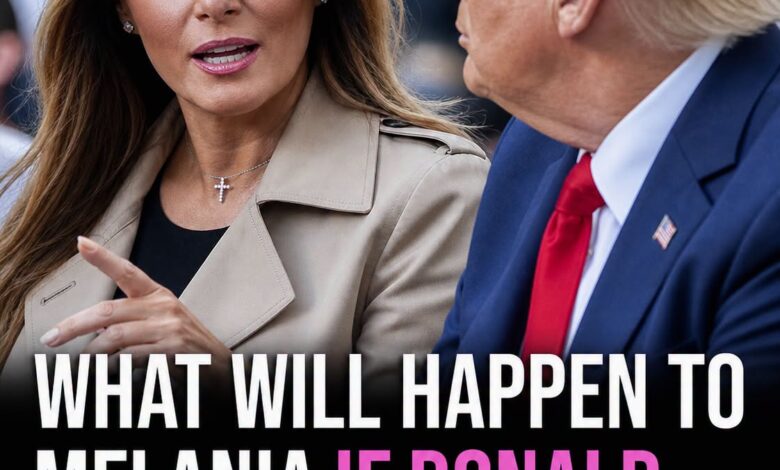
If Donald Trump were to die while serving as president, the transfer of power would begin immediately. The vice president would become president under the Constitution, ensuring that the office does not remain vacant. At that same moment, Melania Trump’s official role as first lady would end.
The first lady is not an elected official and has no constitutional authority over presidential succession. The title exists because of her relationship to the president and the public duties she performs. Once a successor takes the oath of office, the new president’s spouse or chosen host would assume the corresponding White House role.
Melania would nevertheless remain central to the national mourning period. As the presidential widow, she would likely work with the new administration, military officials, the family, and planners responsible for a state funeral. Decisions about ceremonies, religious services, public viewing, burial, and the president’s final resting place would involve both tradition and family wishes.
State funerals are carefully organized but not identical. Presidents can leave instructions, and families help determine the tone and sequence of events. Ceremonies may include lying in state at the U.S. Capitol, a service at Washington National Cathedral, military honors, processions, and a private burial.
The White House residence belongs to the presidency, not to the first family. Melania and Barron would therefore need to leave as the new president’s household took over. That transition could happen during intense grief, media attention, and security planning, making an already personal loss part of a national schedule.
A former first lady can receive Secret Service protection. Under current federal practice, the spouse of a deceased former president is generally eligible for protection unless she remarries. Barron’s eligibility would depend on his age and the applicable rules for presidential children. Security officials would decide operational details rather than announcing them publicly.
Federal law also provides certain benefits to presidential widows, subject to statutory conditions. Those arrangements are separate from the family’s private wealth, estate planning, businesses, trusts, and other legal obligations. Lawyers and financial advisers would handle inheritance and property questions that have nothing to do with constitutional succession.
Melania would not inherit political power or become part of the new administration automatically. She could choose to remain visible through charitable work, memorial projects, speaking engagements, or management of her husband’s legacy. She could also withdraw from public life and focus on family privacy.
Former first ladies have taken very different paths after leaving the White House. Some established foundations and libraries, supported historical preservation, wrote books, advocated for public causes, or served as guardians of a presidential legacy. Others limited appearances and protected a much quieter personal life.
The presidential library and official records would be handled through established legal and archival processes. Melania might participate in decisions about exhibitions, memorial events, or the presentation of Trump’s personal story, but government records are not simply private family property.
Barron’s needs would add another private dimension to the transition. Although the public might focus on ceremony and politics, Melania would also be helping her son process the death of his father while cameras followed the family’s movements. Decisions about where to live, when to appear publicly, and how much information to share would belong to the family within the limits created by security and official events.
Rumors about a president’s death can spread rapidly online, but succession does not depend on social media. Official confirmation, medical information, constitutional procedures, and secure communication between government leaders would guide the response. The continuity of government is designed to function even during shock and confusion.
For Melania, those rules would provide structure without removing grief. Her title would end, her home would change, and public ceremonies would place her before the world at a profoundly private moment. After the funeral and transition, the most important decision would be her own: whether to remain a public figure or build a quieter life with Barron on terms she chose herself.