Beloved TV Star Passes Away at 72, Leaving Fans Remembering a Remarkable Career
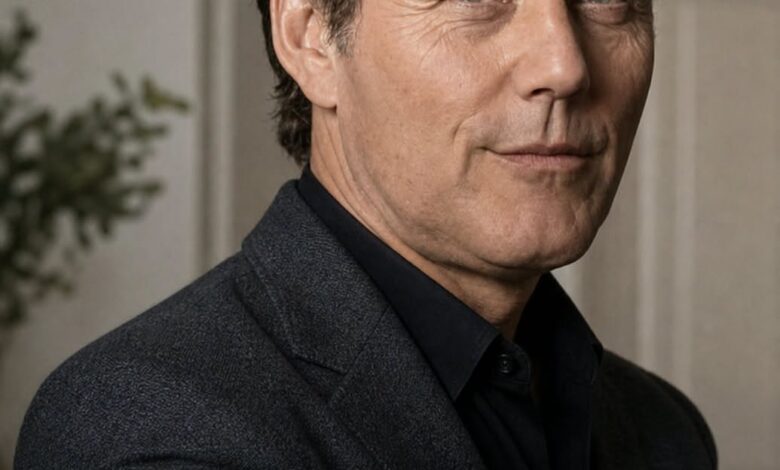
Anthony Head’s death at 72 left audiences mourning an actor whose characters had felt like part of their lives. His performances could be warm, witty, unsettling, or severe, and he moved between those qualities with a control that rarely called attention to itself. The stillness in his work often carried as much meaning as the dialogue.
For many viewers, Head will always be Rupert Giles, the librarian and mentor at the heart of Buffy the Vampire Slayer. Giles began as a formal watcher surrounded by books, rules, and ancient warnings, but he gradually became the steady parental presence within a chosen family. Head gave him intelligence without coldness and authority without losing vulnerability.
Giles made the supernatural world feel human. He could explain an apocalypse, deliver a dry joke, and then reveal genuine fear for the young people in his care. The character’s pauses, small expressions, and restrained emotion allowed viewers to understand what he was unwilling or unable to say aloud.
Years later, a different generation discovered Head through Ted Lasso. As Rupert Mannion, the charming but manipulative former owner of AFC Richmond, he created a man who could dominate a room without shouting. A pleasant smile or carefully chosen sentence could become a weapon, showing how easily sophistication can conceal cruelty.
The distance between Giles and Rupert demonstrated Head’s range. One character offered guidance even when he made painful mistakes; the other used affection and status to control those around him. Both felt fully inhabited because Head listened closely within a scene and allowed his reactions to shape the performance.
His career extended far beyond those two roles. He worked across British television, theater, music, comedy, drama, and fantasy. Audiences who knew him from one production often encountered him unexpectedly in another, recognizing the voice first and then discovering a new version of the performer they thought they understood.
Colleagues remembered generosity and professionalism. Head approached supporting roles with the same seriousness as leading parts, helping create the rhythm of an ensemble rather than competing for every moment. That quality made him especially effective in stories built around complicated groups, where trust between performers determines whether the fictional relationships feel real.
His voice was one of his most distinctive instruments. Polished and resonant, it could reassure, command, mock, or threaten with only a slight change in pace. He never needed to force intensity. The calm delivery often made a warning more powerful and a tender moment more believable.
Fans responded not only to the characters but to the care with which he presented them. Even in heightened fantasy or broad comedy, he searched for the human motive underneath the scene. That attention invited viewers to take the story seriously without draining it of playfulness.
The grief following his death feels personal because television accompanies people through ordinary life. Episodes are watched in childhood bedrooms, shared with friends, rediscovered during difficult years, and introduced to new generations. An actor becomes associated with those memories even though the audience never met him.
Head’s work now belongs to that continuing cycle. New viewers will meet Giles in the library, discover Rupert in the owner’s box, and follow the many roles between them. They will see the thoughtful pauses, precise humor, and quiet alertness that colleagues and fans admired.
The cameras may have stopped, but the performances remain active whenever a scene begins again. Anthony Head leaves a career shaped by range, discipline, and an unusual ability to make even fantastical situations emotionally recognizable. At 72, his death closes a remarkable working life while the characters he created continue speaking in that unmistakable voice.