A Teenagers 452 Year Prison Sentence Fuels a Debate About Punishment and Rehabilitation
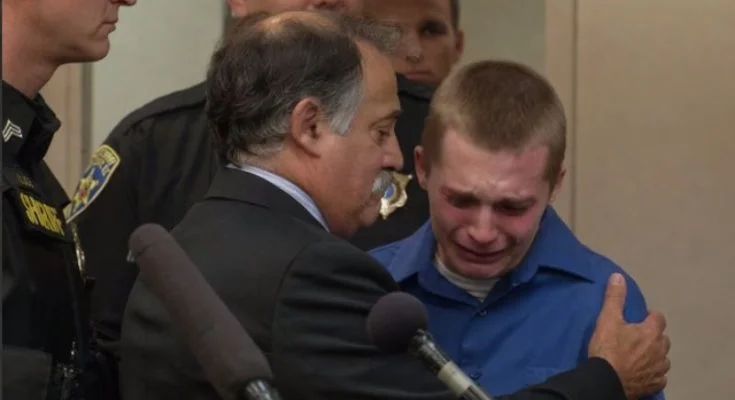
A courtroom decision that resulted in a 452-year prison sentence for a teenager has sparked widespread debate across the country,
raising difficult questions about justice, accountability, and the treatment of juvenile offenders. The case has drawn significant public attention because of both the severity of the crimes involved and the extraordinary length of the sentence imposed.
During the proceedings, prosecutors argued that the teenager’s actions demonstrated an extreme disregard for human life and
posed a continuing threat to public safety. They contended that the seriousness of the offenses justified a punishment that would effectively ensure the defendant remained incarcerated for the rest of his life. According to the prosecution, the sentence reflected the magnitude of the harm caused and served as a necessary measure to protect the community.
Defense attorneys offered a sharply different perspective. They emphasized that the defendant was still a minor at the time of
the crimes and argued that adolescents possess a greater capacity for change than adults. Citing research on brain development and youth behavior, they maintained that young offenders should not be permanently defined by actions committed during their teenage years. The defense urged the court to consider the possibility of rehabilitation and eventual redemption.
The emotional impact of the case was felt throughout the courtroom as victims and family members shared testimony about how the crimes had affected their lives. Many described enduring grief, trauma, and lasting emotional scars. Their statements highlighted the devastating consequences of the teenager’s actions and underscored why many believed a severe punishment was warranted.
Following the sentencing, public reaction was deeply divided. Supporters of the ruling argued that it delivered justice for the victims and reflected the seriousness of the crimes. They viewed the sentence as an important acknowledgment of the suffering endured by those affected and as a safeguard against future harm.
Critics, however, questioned whether a punishment that effectively guarantees lifelong imprisonment for a teenager aligns with modern views on juvenile justice. They argued that such a sentence leaves little room for rehabilitation and fails to recognize the potential for personal growth and transformation over time.
The case has since become part of a broader national discussion about how society should balance punishment, public safety,
and rehabilitation when dealing with young offenders. It forces communities to confront challenging moral and legal questions about responsibility, forgiveness, and whether even the most serious crimes committed in youth should eliminate all hope of a second chance.
At the center of the disagreement are two different ways of looking at the same sentence. For those who support it, its length expresses the seriousness of the harm and the need for lasting protection. For those who oppose it, that same length represents a refusal to leave room for any future change. The number has become powerful because it carries both meanings in the debate.
The accounts of the proceedings also show why the discussion is difficult to reduce to a single principle. The victims’ suffering remains part of the case regardless of the defendant’s age, while the defense’s argument about youth does not disappear because the offenses were serious. The disagreement concerns how those considerations should be weighed together, and what a sentence should be intended to accomplish over time.