Signs of Groin Skin Irritation and How to Address Them
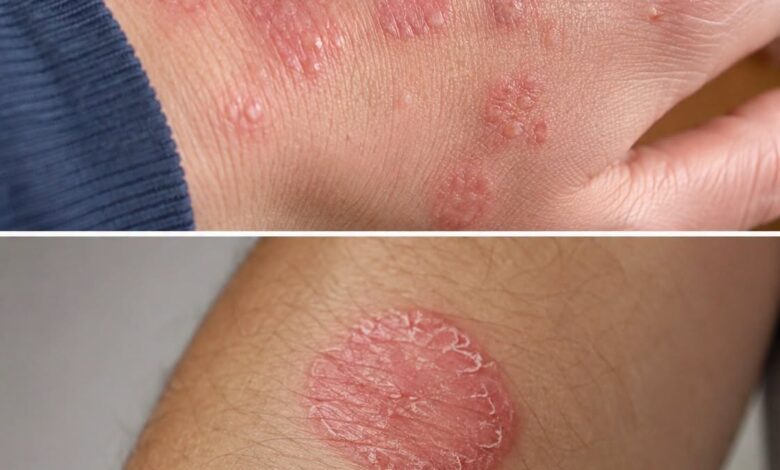
Itching, redness, or small bumps around the groin can be uncomfortable, but they do not all point to the same problem. Warmth, trapped moisture, friction, hair removal, and reactions to products can affect this sensitive area in different ways. Looking at the pattern and timing can help explain what might be happening, while an examination may be needed to distinguish conditions that look similar.
Ingrown hairs are one common possibility. A cut or newly growing hair may curve back into the skin instead of growing outward. The result can be a small inflamed bump, sometimes with a visible hair trapped beneath the surface. Close shaving, waxing, and repeated rubbing may make irritation more likely. Picking, squeezing, or digging at the bump can damage the skin further, so a pause from hair removal is often more sensible than trying to force it out.
Folliculitis involves inflammation around hair follicles and can resemble a cluster of pimples. Some cases are linked to infection, while others follow friction or other irritation. Tenderness, itching, and small pustules may occur. The American Academy of Dermatology explains that damaged follicles can become inflamed and that avoiding the activity causing irritation can help. Persistent or painful cases need assessment rather than repeated experimentation with leftover antibiotics.
A fungal infection called tinea cruris, commonly known as jock itch, is another possibility. It can produce an itchy, scaly rash around the groin and inner thighs. Sweat and a warm environment can favor its development. Sharing towels or clothing may also spread fungi. A clinician or pharmacist can help determine whether an antifungal treatment is appropriate, because not every red patch in this area is fungal.
For suspected jock itch, keeping the area clean and thoroughly dry, changing out of damp clothing, and avoiding shared towels are practical measures. Treatment should be used for the recommended course rather than stopped as soon as the rash looks a little better. The AAD’s ringworm guidance advises medical follow-up when jock itch does not clear with treatment at home. A stubborn rash may need a different diagnosis or prescription.
Contact dermatitis can begin after the skin encounters an irritating substance or an allergen. Fragranced soap, laundry products, lotions, and some materials may be involved. The skin may become itchy, sore, flaky, or blistered. Thinking back to a new product or a change in routine can be useful, but stopping one product does not prove it was the cause. Gentle, fragrance-free care is generally a better starting point than adding several new preparations at once.
Intertrigo develops where skin surfaces rub together and moisture collects. Skin folds may look red or raw and can sting or burn. Secondary infection can complicate it, which is one reason an unpleasant smell, discharge, or worsening soreness deserves attention. Reducing friction and keeping folds comfortably dry may help, but an infected rash needs treatment directed at the actual cause.
Creams are not interchangeable simply because they are sold for itching. Steroids can mask or worsen some fungal infections, and sensitive genital skin requires particular care. Do not automatically apply hydrocortisone, strong antiseptics, exfoliating products, or antibiotic ointment to an unexplained groin rash. Ask a pharmacist or clinician what is suitable for the location and symptoms, especially before treating a child.
Day-to-day prevention is usually straightforward. Wear clothing that does not rub or trap excessive moisture, change after sweating, dry gently after washing, and keep personal towels and razors separate. If shaving repeatedly triggers bumps, consider leaving the area alone while it settles and discussing a less irritating method. More scrubbing is not necessarily better hygiene.
Get medical advice for a rash that persists, repeatedly returns, or spreads. Severe pain, fever, rapidly increasing redness, swelling, or pus calls for prompt assessment. Blisters, sores, or symptoms following sexual contact should also be checked without assuming the cause. The useful goal is not to attach a label from a photograph, but to identify the problem and choose care that helps the skin heal.