Color Burdens Revealed
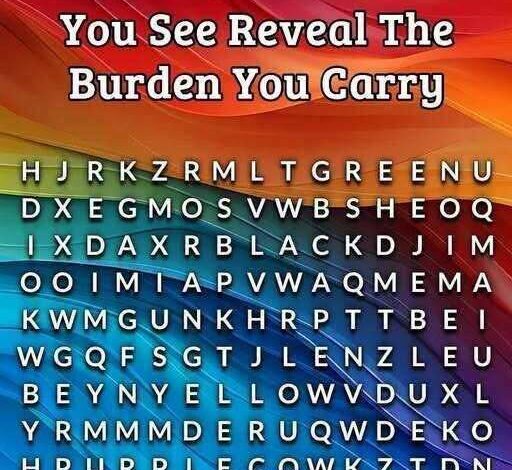
A viral color exercise is helping people explore their emotions by choosing three colors that immediately catch their attention. The activity encourages self-reflection and may help people recognize feelings or worries they haven’t fully acknowledged. Although it isn’t a scientifically validated psychological test, it can be a useful starting point for understanding yourself.
Colors often carry personal meanings shaped by memories and experiences. Red might remind you of love, anger, or intense emotions. Blue may represent calmness, sadness, or responsibility. Black could feel protective or comforting, while yellow might bring thoughts of happiness, hope, or pressure. Your interpretation matters more than any predetermined meaning.
To try the exercise, look at a colorful image or observe the world around you. Choose the first three colors that attract your attention without overthinking your decisions. Notice what each shade makes you feel, and consider whether it reminds you of a particular person, experience, or situation.
Next, reflect on the thoughts that arise. Does a color remind you of a stressful responsibility? Does another bring back a comforting memory? Perhaps one reminds you of something you’ve been avoiding. Write down your observations without judging yourself or forcing connections that don’t feel natural.
Remember, choosing a particular color doesn’t prove that you have hidden fears, emotional burdens, or unresolved problems. There are no right or wrong answers, and the same color can mean completely different things to different people. Treat the exercise as an opportunity to explore your feelings rather than a way to diagnose yourself.
Give each of your three choices a separate line on the page. Beside the first color, write a memory or image that comes to mind. Beside the second, describe a feeling in ordinary words. Beside the third, note whether you would welcome more of that feeling in your day or would prefer some distance from it. You can leave a line blank if nothing comes to mind.
For example, the same blue might recall a peaceful afternoon for one person and a demanding work uniform for another. Neither association needs to be corrected to fit a chart. A color that usually seems cheerful may bring up a difficult memory, while a dark shade may feel restful. Let the response belong to you instead of trying to make it agree with somebody else’s answer.
After writing your first impressions, read them once without searching for a hidden message. You might notice that two choices bring up the same responsibility or that all three remind you of places where you feel comfortable. You might also find no connection at all. That is a complete response too. The exercise does not require a dramatic discovery to be worthwhile.
You can return to the page another day and see whether your associations have shifted. Use that comparison as a record of what you noticed, without treating a changed answer as proof that your personality has changed.
Ultimately, the value of this activity lies in taking a moment to pause and listen to yourself. If your reflections reveal persistent stress, sadness, or anxiety, consider talking with someone you trust or seeking professional support. Sometimes, understanding your emotions begins with something as simple as noticing what catches your eye and asking yourself why.