Reported US and Israeli Strikes on Iran Raise Fears of Wider Conflict
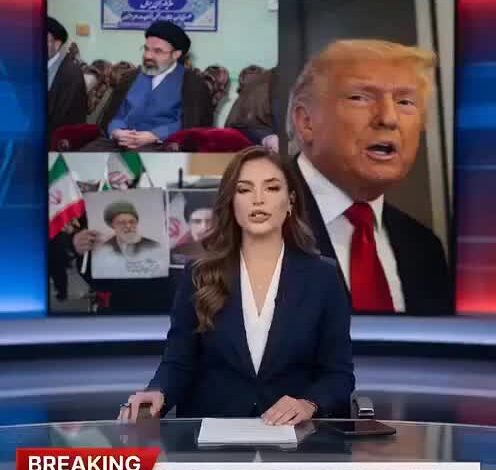
The first explosions shattered more than buildings. They also shattered the belief that the conflict could still be contained. As jets from the United States and Israel reportedly struck targets in Iran, the world watched a dangerous new chapter unfold.
Inside Tehran, military commanders rushed to assess the situation. Allies across the region reacted cautiously, while global markets immediately felt the shock. One question quickly spread across governments and households alike: would this escalation trigger a wider war?
The strikes were part of an operation reportedly named Operation Epic Fury, described by U.S. and Israeli officials as a major effort to weaken Iran’s military and nuclear capabilities.
Officials from both countries argued that the operation targeted infrastructure they believed posed an imminent threat. They said the strikes were intended to prevent future attacks and disrupt critical military systems.
Images and videos circulating online showed damaged compounds and destroyed air-defense installations. At the same time, Iranian state media claimed that some missiles had been intercepted and warned that retaliation would follow.
Iranian leaders responded with strong language, promising what they called “devastating revenge.” The statements raised concerns that the confrontation could escalate beyond a single round of strikes.
Behind the scenes, diplomats from Europe and other regions quickly began urging restraint. Several governments warned that further escalation could destabilize the entire Middle East.
Meanwhile, ordinary families in cities such as Tehran and Tel Aviv waited anxiously for news. Many checked their phones and listened for sirens, unsure whether the night’s explosions would remain an isolated event or mark the beginning of a much larger conflict.
The uncertainty described in the aftermath extends beyond the military assessments themselves. Governments must interpret statements from several sides while distinguishing an announced intention from an action that has actually taken place. A warning of retaliation can shape decisions even before the form of that retaliation is clear. That makes communication part of the crisis, alongside the movements of aircraft and the condition of the sites reportedly struck.
For diplomats urging restraint, the immediate challenge is to prevent each response from becoming the justification for another escalation. The parties may describe the same operation in very different terms: as prevention, aggression, deterrence or a threat requiring an answer. Those competing explanations do not by themselves resolve what happens next. They illustrate why an exchange of public statements can leave so many people unsure about whether the confrontation will remain limited.
The concern among families gives that uncertainty its human dimension. News about military infrastructure and regional strategy reaches people as questions about the next few hours: whether travel will be interrupted, whether relatives can be reached and whether another alarm will sound. The account's image of people checking phones captures the distance between decisions made by leaders and the experience of those waiting to learn what those decisions mean for daily life.
The distinction between reports and confirmed outcomes remains important throughout. Images circulating online, official descriptions and warnings from state media are different kinds of information, each offering only part of the picture. The account describes an escalation and the fears surrounding it, while the extent of any further response remains unresolved. That unresolved future is precisely what gives the appeals for restraint their urgency.