Major Retail Chain Closes All 540 Mall Locations as Rue21 Shuts Down
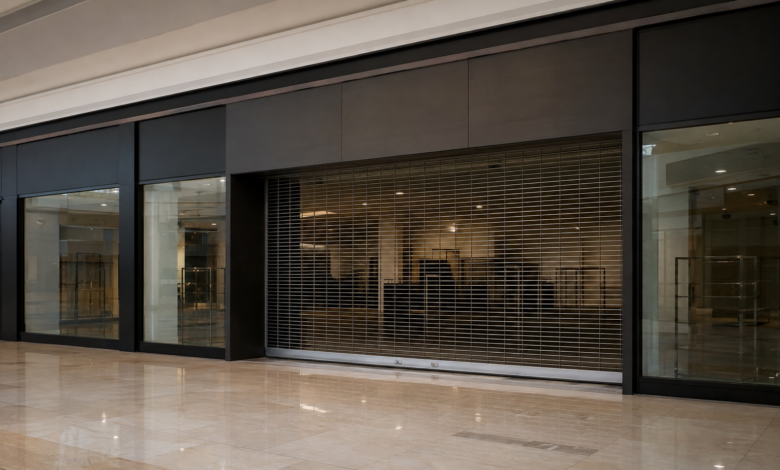
Rue21, a retailer long associated with affordable fashion for teenagers and young adults, is closing all of its remaining stores across the United States. The decision affects roughly 540 locations, many of them inside shopping malls and outlet centers, and marks the end of a familiar name that spent decades serving budget-conscious customers looking for casual clothing, accessories, and seasonal trends.
The company’s shutdown follows a bankruptcy filing after years of financial pressure. Rue21 had tried to reshape its business more than once, reducing costs and adjusting its store network as shopping habits changed. Yet the chain continued to face declining mall traffic, intense competition from online sellers, and the challenge of keeping prices low while operating hundreds of physical locations.
For many shoppers, Rue21 was more than another clothing store. It offered an accessible place for young people to experiment with style without spending heavily. Its stores were often placed near other youth-oriented brands, and the bright layouts, music, fragrances, graphic shirts, denim, and accessories made it a recognizable stop during a trip to the mall.
The closures also carry a serious human cost. Employees at hundreds of stores are losing their jobs as locations wind down. Mall owners must now fill another group of empty storefronts at a time when many retail properties are already adapting to the disappearance of once-common chains. In smaller communities, Rue21 may have been one of only a few national fashion retailers available locally.
Going-out-of-business sales are being used to clear remaining merchandise. Discounts typically deepen as a store approaches its final day, although selection becomes more limited. Customers should remember that purchases made during liquidation may be subject to special return rules and that gift cards or store credits can become difficult to use once operations end.
Rue21’s history included previous efforts to survive bankruptcy and rebuild. The retailer had closed hundreds of underperforming locations in an earlier restructuring, then continued operating a smaller network. Those measures bought time, but they did not remove the broader pressures affecting mall-based apparel companies. Faster trend cycles, rising operating expenses, and competition from low-cost digital marketplaces made another recovery increasingly difficult.
The company’s collapse reflects a continuing shift in American retail. Younger shoppers now discover styles through social media and can compare thousands of products without entering a store. Traditional chains must pay rent, maintain inventory across many locations, and predict local demand months in advance. When sales weaken, those fixed expenses can quickly become overwhelming.
Malls have responded by adding restaurants, entertainment, fitness centers, medical offices, and other services that cannot be replaced as easily by online shopping. Even so, the loss of a tenant with hundreds of branches is significant. Each closure changes the mix of stores and reduces another reason some customers once had to visit in person.
For former customers, the final weeks bring a mixture of bargain hunting and nostalgia. A generation bought school clothes, first-job outfits, and weekend fashion at Rue21. The company’s departure therefore feels personal to many people who remember those purchases as part of growing up.
Once the liquidation is complete, the brand’s physical presence will disappear from malls around the country. The shutdown of all 540 remaining stores closes a long chapter for Rue21 and provides another clear example of how quickly the retail landscape can change when a chain can no longer keep pace with new habits and mounting financial strain.