Beloved TV Star Tragically Passes Away at 72 See More
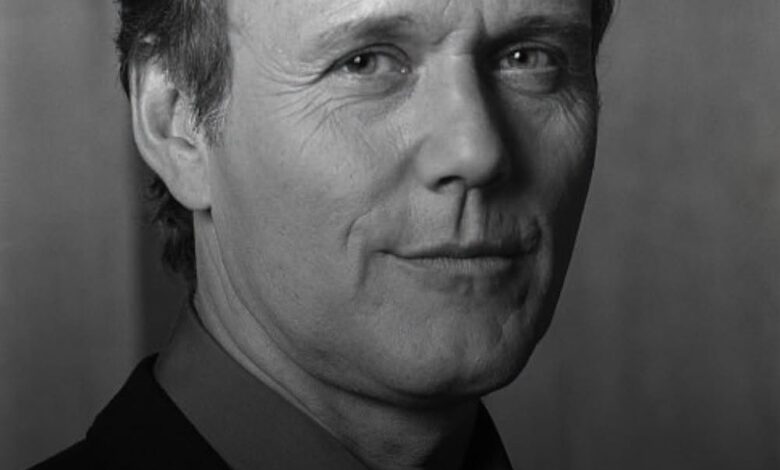
Anthony Head, the British actor whose work connected generations of television viewers, died at the age of 72 after complications from pneumonia. He passed away peacefully with his family around him, according to the statement released by his daughters, Emily and Daisy Head. Their announcement described the loss of an extraordinary father and acknowledged the enormous affection audiences held for him.
For many viewers, Head will always be Rupert Giles, the reserved librarian and mentor at the heart of Buffy the Vampire Slayer. Giles began as the person responsible for guiding Buffy through the rules and history of her calling, but the role grew into something warmer and more complicated. Head gave the character authority, dry humor, vulnerability and a paternal steadiness that made him central to the show’s emotional life.
The series ran from 1997 to 2003 and became a defining part of popular culture. Within its supernatural stories, Head’s performance grounded the drama in recognizable human concerns: responsibility, loyalty, sacrifice and the difficulty of protecting someone while allowing that person to make her own choices. His chemistry with the ensemble helped turn a supporting role into one of the show’s most enduring figures.
British audiences had known Head before Buffy. He became widely recognizable through the Nescafe Gold Blend advertisements of the 1980s, a continuing television story that made him a familiar presence in homes across the country. The campaign displayed the understated charm and timing that would remain part of his screen persona even when he later took on characters who were less gentle.
His range became especially clear in Little Britain, where he played the prime minister opposite David Walliams’ Sebastian Love. He later portrayed Uther Pendragon in Merlin, bringing severity, pride and tragedy to the ruler of Camelot. Each role carried a different tone, yet Head’s precise delivery and ability to suggest a character’s inner conflict remained consistent.
A new audience discovered him through Ted Lasso. As Rupert Mannion, Head played a wealthy, manipulative figure whose cruelty stood in sharp contrast to the kindness colleagues associated with the actor himself. The performance was controlled and often unsettling, demonstrating that he could make a character compelling without asking viewers to excuse his behavior.
Tributes from fellow performers emphasized the distance between Rupert Mannion and the man who portrayed him. Colleagues remembered Head as kind, generous and supportive. Those recollections matched the affection expressed by his daughters, who wrote about the privilege of being his children and witnessing the effect both he and his work had on others.
Head also worked across theatre, film, radio and music, building a career much broader than any single part. Even so, the roles that brought him into living rooms created unusually personal bonds with audiences. Some fans first encountered him as Giles and carried that affection into adulthood; others met him decades later in Ted Lasso and then discovered the rest of his work.
Pneumonia complications brought his life to a peaceful close with loved ones nearby. The family asked people to remember not only the performances but the person behind them. Their grief was private, yet their statement recognized that viewers and colleagues would be mourning too.
Anthony Head leaves behind characters who could be comforting, intimidating, funny and deeply human. His work moved easily between genres and across decades, while his reputation among those who knew him remained rooted in warmth. At 72, his death ended a remarkable career, but the performances that made him beloved continue to live wherever those stories are watched again.
For his family, that public legacy sits beside memories that belong only to them. Emily and Daisy’s words made clear that the actor admired by millions was first their father. The stories, recordings and tributes will keep his work visible, while the kindness recalled by friends and colleagues helps explain why the loss has been felt so widely.