A tragic accident claims 9 lives including our dearly loved singer
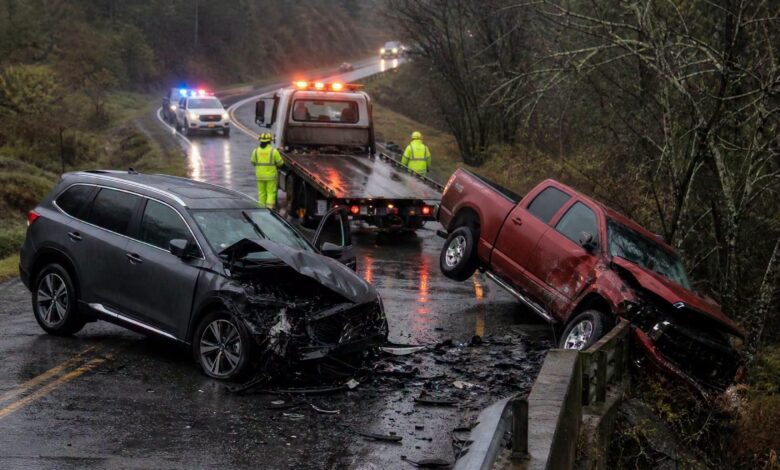
A devastating collision on Brazil’s BR251 left nine people dead and eight others injured near Barrocão in the municipality of Grão Mogol. The crash happened around kilometer 446, where a van carrying workers collided head on with an empty heavy haul truck. The van was returning people to Ceará, while the truck was traveling toward Rio Grande do Sul when the vehicles met on a stretch long associated with serious road danger.
Conditions at the scene made the emergency response especially difficult. It was dark, rain affected visibility, and the surrounding terrain complicated access. Firefighters, emergency medical crews from SAMU, federal highway police, and forensic teams were sent to the area. Rescuers found extensive damage and had to use hydraulic equipment to reach people trapped inside the vehicles.
Nine occupants of the van died, including a child. Eight other people were injured, among them another child and a man reported to be in critical condition. The two people traveling in the truck suffered minor injuries. Those numbers convey the scale of the collision, but they cannot capture what the loss meant to families expecting their relatives to return home after work.
The van had been carrying workers back toward Ceará, turning an ordinary journey into a tragedy shared across more than one community. Relatives faced the shock of receiving news from a road far from home, while hospitals and emergency teams worked to care for survivors. In crashes involving workers traveling together, one collision can affect many households at once because the passengers often come from the same towns or have close personal ties.
Investigators were expected to examine the tire marks, the position and condition of both vehicles, the weather, and the design of the road. A head on collision can result from many factors, and early images or witness impressions cannot settle the cause. A proper reconstruction must account for the vehicles’ paths, speed, visibility, braking, and the condition of the pavement before responsibility can be determined.
BR251 has repeatedly been described by local residents and drivers as a dangerous route. Heavy commercial traffic shares sections of the highway with vans, buses, and private vehicles. Curves, limited sight lines, rain, and infrastructure problems can leave very little room for recovery when something goes wrong. The road’s grim reputation has led people to call it the road of death, a phrase born from repeated losses rather than from a single incident.
After fatal crashes, public attention often focuses briefly on the scene and then moves on. For those who travel the route regularly, however, the danger remains. Road improvements, clear markings, maintenance, enforcement, and safe rest practices for professional drivers all contribute to preventing another collision. Political promises matter only when they result in work that drivers can see and safety measures that change conditions on the ground.
The rescue itself also deserves recognition. Crews arriving in darkness and rain had to stabilize the scene, protect survivors, remove trapped occupants, and coordinate transport to medical facilities. Forensic teams then faced the careful task of identifying the dead and documenting evidence. Every part of that response demanded precision while families waited for answers.
The title circulated with the source refers to a beloved singer, but the available account does not identify a singer among the victims. What it does establish is a mass casualty crash that killed nine people, including a child, and injured eight others. Those confirmed losses are grave enough without adding an identity that the report does not provide.
The tragedy near Grão Mogol leaves a painful reminder that road safety is measured in people who make it home. Nine did not. Their families now carry the consequences, survivors face recovery, and investigators must determine how the collision unfolded. The most meaningful response will be a complete investigation followed by practical action on the hazards that have made BR251 feared for so long.