Dont Be Fooled Theyre Selling You Meat See More Freshness and Safe Handling
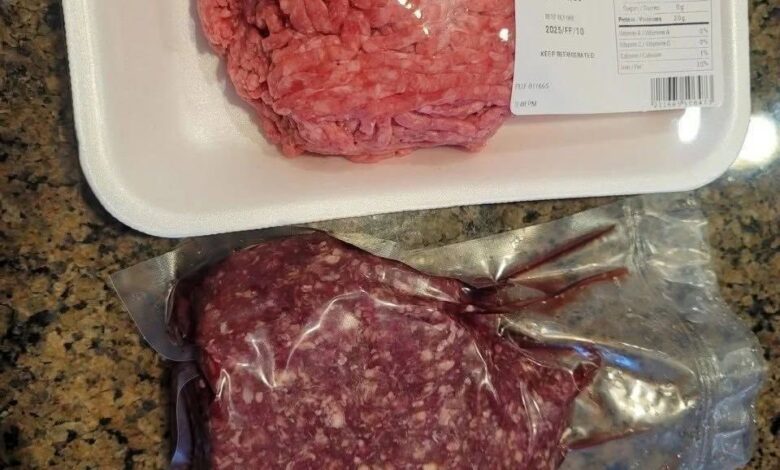
Choosing meat at a supermarket involves more than finding an appealing color or an attractive price. The package, the refrigerated display, the label, and the way the food is handled after purchase all contribute to a sensible decision. A product can look inviting without revealing everything about its storage history, just as an unfamiliar color does not automatically mean it is spoiled.
Start with the condition of the packaging. Look for a secure seal and a container that has not been torn or damaged. Leakage, unexpected swelling, or an obvious problem with the pack is a reason to leave it on the shelf and ask a member of staff. There is no advantage in buying a questionable package simply because the contents appear otherwise normal.
Pay attention to the surrounding display as well. Meat belongs in suitable refrigeration, not in a warm area or a case that appears to be malfunctioning. A clean, well-maintained display is reassuring, although appearance alone cannot establish that the correct temperature has been maintained throughout the supply chain.
Color is useful to notice but easy to overinterpret. USDA guidance explains that changes in meat color alone do not prove spoilage. Oxygen exposure and other factors can alter the appearance of meat during normal storage. A darker section or a difference between the surface and interior therefore needs context rather than an automatic conclusion.
Other warning signs deserve attention. A persistent unpleasant odor, a slimy surface, or a sticky or tacky texture may accompany spoilage. If those signs appear after opening a package, do not taste the meat to investigate. Keep the label and receipt available when contacting the retailer about a concern.
At the same time, food that looks and smells ordinary is not guaranteed to be safe. Harmful bacteria may be present without producing an obvious change in appearance or smell. That is why refrigeration and safe preparation remain important even when every visual detail seems acceptable.
Read the complete label rather than only the largest words on the front. Identify the cut or product, the storage instructions, and any handling directions. Date information can help with planning, but it needs to be considered alongside the product’s condition and storage history rather than treated as an independent promise about safety.
Ingredient lists are particularly useful for processed products. Preservatives, seasonings, and other additions may be part of the food being sold. Someone looking for a minimally processed option can compare products without assuming that every unfamiliar ingredient is dangerous or that a shorter list automatically makes a package safer.
Price deserves similar perspective. A reduced price may reflect a promotion, a different cut, or the retailer’s stock management. A higher price can reflect branding or other product characteristics. Neither amount, on its own, establishes that the meat has been handled correctly or that the description on the package is more trustworthy.
After purchase, take the meat home promptly and refrigerate or freeze it as appropriate. USDA recommends keeping the refrigerator at 40°F or below and refrigerating perishables within two hours, or within one hour when the surrounding temperature is above 90°F. A shopping trip followed by other errands can use up that time more quickly than expected.
Prevent raw meat and its juices from contacting ready-to-eat food. Use suitable containers, clean hands and preparation equipment, and follow cooking guidance for the particular product. A food thermometer is a more dependable way to check an appropriate internal temperature than relying only on the meat’s color.
If something seems wrong, a precise complaint is more useful than a broad accusation. The product name, package photographs, purchase date, and identifying label information can help a retailer understand the concern. Avoid assuming that a problem with one package proves that every product from the store is affected.
Careful shopping is not a call to distrust every supermarket. It is a way to combine the information available at the shelf with good handling at home. Inspect the package, understand the label, respect refrigeration, and respond calmly to genuine warning signs. Those habits provide a stronger basis for decisions than either a frightening headline or attractive packaging alone.
Sources: USDA guide to meat color; USDA food safety basics.