Chicken Gizzards A Surprising Nutritional Powerhouse You Should Try
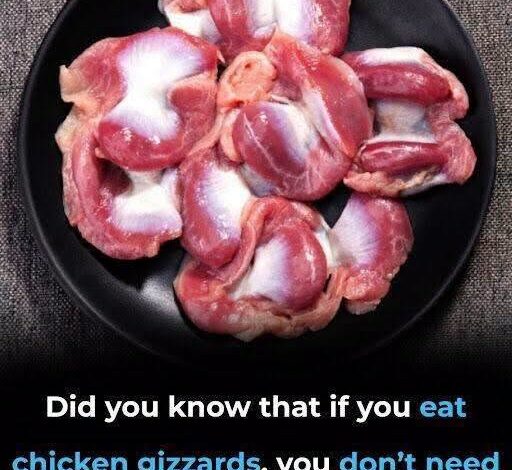
Chicken gizzards are easy to overlook beside the familiar trays of breasts, thighs, and wings. Yet this small, muscular part of the bird has a long place in everyday cooking. It offers a savory flavor, a distinctive bite, and another way to use more of an animal that has already been raised for food.
A gizzard is a working muscle, which explains both its appeal and its main cooking challenge. It will not behave like a thin piece of chicken breast dropped quickly into a hot pan. Giving it enough time in moist heat allows it to become pleasantly tender while retaining the substantial texture that makes it useful in a variety of dishes.
Nutritionally, gizzards contribute protein along with iron, B vitamins, and minerals such as zinc and selenium. Those nutrients have normal roles in the body, but a serving of gizzards should not be treated as a cure or a complete nutrition plan. The amounts depend on the portion and preparation, and the rest of the meal matters too.
The attraction is therefore practical rather than miraculous. Gizzards can add variety to a diet and may be an economical option where they are sold. Prices differ by shop and region, so it is worth comparing the actual package cost rather than assuming that every market offers the same bargain. Their usefulness does not depend on calling them a superfood.
They also fit the tradition of making good use of the whole bird. Choosing an often-neglected cut can broaden a cook’s repertoire and reduce the tendency to value only a few familiar portions. That approach connects a modest ingredient with the wider habit of planning meals thoughtfully and wasting less.
Start with gizzards from a reputable seller, kept properly chilled. Check whether they have already been cleaned and trimmed. If any tough lining remains, follow the preparation directions for the product. Do not wash raw poultry under running water: splashes can spread bacteria to nearby surfaces, utensils, and food.
For a straightforward preparation, place the gizzards in a pan with water or broth and season the liquid with onion, garlic, and a bay leaf. Bring it to a simmer, then cook gently until the texture is tender enough for the dish you intend to make. The source suggests roughly one and a half to two hours on the stovetop, but tenderness and cooking conditions vary.
A pressure cooker offers another approach, with the source suggesting about twenty-five to thirty minutes at high pressure. Follow the instructions for the appliance and a suitable recipe, including the required liquid and pressure release. A timer describes a cooking process; it does not replace a food-safety check.
USDA guidance says giblets should reach at least 165°F, or 73.9°C, measured with a food thermometer. Keep raw poultry separate from ready-to-eat foods, and clean hands, utensils, and work surfaces after handling it. Tenderness, browning, and a pleasant aroma are not substitutes for safe handling and an appropriate internal temperature.
Once tender, the gizzards can move in several directions. Sauté them with onions and peppers, cut them into fried rice, or add them to a seasoned pot of gumbo or jambalaya. Their firm texture helps them remain noticeable among softer ingredients rather than disappearing into the dish.
Southern-style breading and frying provides another option, often paired with gravy or hot sauce. A soy-and-ginger glaze can take cooked gizzards toward a different flavor profile. Chili and Sichuan peppercorns offer heat and fragrance, while the vinegar-and-soy approach of Filipino adobong balunbalunan shows how well the ingredient works with a sharp, savory cooking liquid.
Preparation changes the finished meal. Breaded, fried gizzards are not nutritionally identical to a gently simmered portion, and sauces can add substantial salt or richness. Gizzards also contain cholesterol, so people following individualized dietary guidance should consider how they fit within that advice.
The best introduction may be a small batch cooked patiently and seasoned in a way you already enjoy. Serve it with familiar accompaniments and judge the ingredient on its flavor and texture. Chicken gizzards do not need extravagant claims to earn a place in the kitchen; careful cooking and a willingness to try a less familiar cut are enough.
Sources: USDA guidance on cooking giblets; USDA chicken handling guidance.