Couple Diagnosed with Liver Cancer Why Proper Food Storage Matters More Than You Think
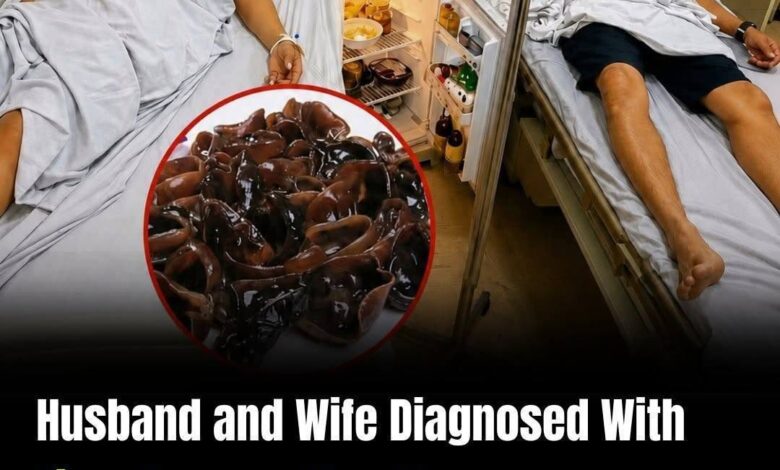
When two people in the same household develop a serious illness, it is natural to look for something they shared. They may have eaten the same meals, stored food in the same refrigerator, and followed the same routines for years. Those similarities can raise useful questions, but they do not establish that one item in the kitchen caused both diagnoses.
Liver cancer has several possible risk factors. Chronic hepatitis B or C infection, heavy alcohol use, metabolic conditions associated with fatty liver disease, and some inherited conditions can be involved. A shared diagnosis therefore needs a medical assessment of each person’s history. An alarming refrigerator headline cannot provide that explanation on its own.
One food-related concern is aflatoxin. These toxins can be produced by certain Aspergillus molds and may contaminate crops and food products, particularly when conditions favor mold growth. Exposure is associated with an increased risk of liver cancer. That makes prevention important without turning every spoiled leftover into proof of a future cancer diagnosis.
The concern is especially relevant to foods such as peanuts, other nuts, and some grains and spices. Problems can arise before a product reaches a household as well as during poor storage afterward. Warm, humid conditions can encourage mold growth, so keeping susceptible dry foods in a suitable environment matters throughout the food supply.
A visible patch of mold is not a reliable boundary showing where a toxin begins and ends. Scraping away a suspicious section does not establish that the rest is safe. Ordinary cooking also should not be treated as a dependable way to remove aflatoxins from contaminated food. Prevention and appropriate disposal are more useful than trying to rescue something that may be unsafe.
At home, dry goods should be kept cool and dry in suitable, well-sealed containers. Packaging needs to remain intact, and foods should be bought from reliable suppliers. Nuts that appear moldy, discolored, or shriveled should be discarded. These are practical precautions against exposure, not a guarantee that a person can identify every food contaminant by sight.
Refrigerator safety is related but not identical. Chilling slows the growth of many microorganisms; it does not make food safe indefinitely. A clean refrigerator and sensible storage times help reduce the risk of ordinary foodborne illness. Those everyday risks should not be confused with a claim that refrigerated leftovers have been proven to cause a particular couple’s liver cancer.
Leftovers should be refrigerated promptly, generally within two hours of cooking, and sooner in very hot conditions. Refrigerated leftovers are usually best used within three to four days. Keep the refrigerator at 4°C or 40°F or below, and avoid repeated cycles of leaving food warm and then cooling it again. Follow product-specific guidance where it is more restrictive.
It helps to make the storage history visible. A covered container with a date is easier to judge than an unmarked dish whose contents have been moved between shelves for an unknown length of time. Organizing older food toward the front can reduce forgotten items and make it easier to use meals within their safe storage period.
Smell and appearance can identify some reasons to throw food away, but their absence does not prove that a food is safe. There is no need to taste a questionable item to settle the matter. Food that has been kept too long or stored unsafely may need to be discarded even when it does not look dramatic.
Protecting liver health extends beyond the pantry. Hepatitis B vaccination, appropriate hepatitis testing and care, limiting alcohol, and managing diabetes or fatty liver disease can all be relevant. People with chronic hepatitis or cirrhosis should discuss the monitoring appropriate to their condition with their healthcare team rather than relying on general kitchen advice.
Persistent unexplained symptoms—including yellowing of the skin or eyes, abdominal swelling, unintentional weight loss, or continuing pain in the upper right abdomen—deserve medical evaluation. These symptoms can have different causes. They are reasons to seek care, not grounds for diagnosing cancer at home.
The account does not supply a documented investigation proving that a particular refrigerator item caused two people’s cancers. Its practical value lies in the habits that can be changed without making that leap: store food properly, respect storage times, discard suspect products, and take ongoing health problems seriously. Shared kitchen routines affect everyone in a household, but responsible prevention begins with clear distinctions rather than an oversimplified explanation.