Understanding Dark Patches on the Skin A Gentle Guide to Acanthosis Nigricans and When to Seek Care
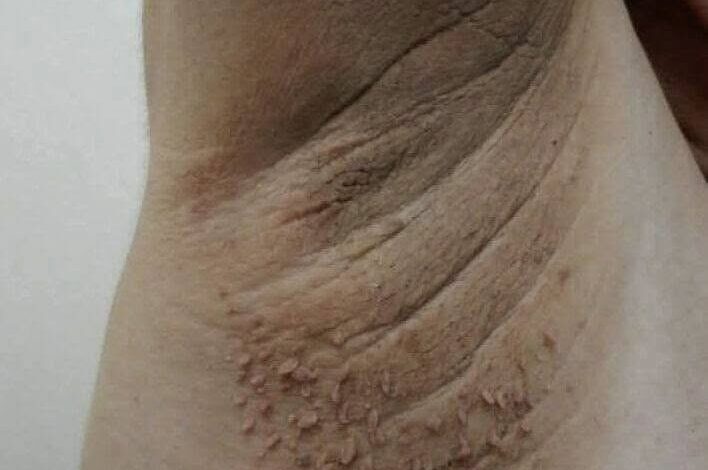
Dark, velvety patches around the neck or underarms can be easy to misunderstand. Someone may assume the skin needs more washing, or that the change is an ordinary difference in pigmentation. When an area also becomes thicker, however, one possible explanation is acanthosis nigricans, a skin condition that can sometimes provide a clue about a person’s wider health.
Acanthosis nigricans is not contagious and is not caused by poor hygiene. Scrubbing harder will not remove it and may leave the skin irritated. The patches can appear gradually, sometimes without discomfort, which helps explain why people may not mention them during a routine medical appointment. New or changing patches are still worth bringing to a clinician’s attention.
The condition commonly affects body folds. The back or sides of the neck, the armpits, the groin, and the skin beneath the breasts are typical locations. It may also occur around the elbows, knees, or knuckles. The color varies with a person’s skin tone, and the texture may be as noticeable as the difference in color.
One frequent association is insulin resistance. This means the body’s cells do not respond to insulin as effectively as they should. Higher insulin levels can be connected with changes in skin growth, producing the characteristic thickened, darker appearance. Insulin resistance can occur alongside prediabetes or type 2 diabetes, but the skin finding alone cannot establish either diagnosis.
Excess body weight can be another associated factor because of its relationship with insulin resistance. Some people see their skin improve when their metabolic health improves. That does not mean every person with these patches has the same cause, or that a change in weight will resolve every case. An examination and an individual’s history matter more than assumptions based on appearance.
Hormonal conditions can also be involved. The source describes associations with polycystic ovary syndrome, hypothyroidism, Cushing syndrome, and other endocrine disorders. Certain medicines, including some hormonal treatments, corticosteroids, and high-dose niacin, may be relevant as well. If patches appear after a new medicine is started, tell the prescriber rather than stopping treatment without advice.
Inherited forms also exist and can appear during childhood without the same links to obesity or diabetes. This is one reason children with possible acanthosis nigricans should be assessed rather than labeled according to a photograph or a family member’s experience. Similar-looking changes can have different explanations in different people.
Rarely, acanthosis nigricans is associated with an internal cancer. That possibility should not turn every dark patch into a cancer warning. Most cases are not cancer-related. Sudden onset, rapid spread, or involvement of unusual areas such as the mouth should prompt medical evaluation so that the cause can be investigated appropriately.
A clinician can often recognize the pattern by examining the skin. Depending on the history and other symptoms, testing may include blood glucose or hemoglobin A1C, and sometimes other metabolic or hormone-related assessments. Not everyone needs the same tests. The aim is to understand what is causing the change, not merely to give the patch a name.
Treatment usually begins with the underlying issue when one is identified. Better management of insulin resistance or diabetes may help. A prescriber may consider whether a medication change is appropriate. Improvement in the skin can take time, and its speed varies, so an immediate cosmetic result should not be the only measure of whether treatment is helping.
Gentle care can make the affected area more comfortable. Use a mild cleanser, moisturize, and avoid vigorous scrubbing or products that irritate the skin. Loose clothing may help when friction is a problem. These measures do not replace an assessment of the cause, but they can prevent an attempt to remove the discoloration from making the area sore.
Arrange an appointment if patches are new, changing quickly, painful, or persistently irritated. Mention symptoms such as increased thirst, frequent urination, or unexplained changes in weight. A clinician can consider those details together rather than treating each one in isolation.
The important message is neither panic nor dismissal. Acanthosis nigricans can be a useful reason to review health, particularly blood-sugar regulation, while remembering that not everyone with the condition has diabetes or another serious illness. Respectful attention, appropriate testing, and treatment guided by the actual cause offer more help than shame, harsh scrubbing, or alarming conclusions drawn from a picture.