If You Own Any of These Plastic Bowls, Doctors Say You Need to Throw Them Away
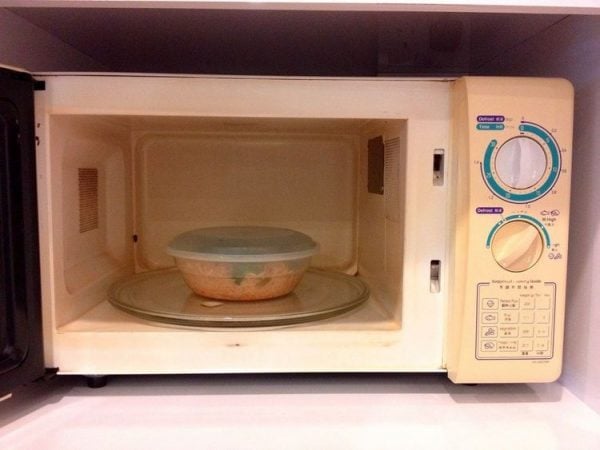
Plastic food containers are easy to overlook. They stack neatly, keep leftovers together, and make a busy kitchen feel more manageable. The concern begins when that convenience turns into a habit of using the same container for everything, from storing cold food to reheating a steaming meal. Not every plastic is designed for the same conditions, and the way a container is used matters as much as its appearance.
The warning about plastic bowls is chiefly about reducing exposure to chemicals that can migrate from some food-contact materials. Bisphenols, including BPA, and certain phthalates have attracted particular attention because they can interfere with hormonal activity. Heat is an important consideration, which is why a container that seems perfectly sturdy on a shelf may still be the wrong choice for warming lunch.
That does not mean every plastic bowl contains the same substances or poses an identical risk. A recycling symbol, a product label, and the manufacturer’s intended use provide different kinds of information. Neither a bowl’s color nor its age alone tells the whole story. It is more useful to look at how the item was made and how it is being used than to assume that every plastic object in the kitchen must immediately go in the trash.
For families who want a straightforward first step, changing the reheating routine is often easier than replacing an entire cupboard. Transfer food to a suitable glass or ceramic dish before putting it in the microwave. The American Academy of Pediatrics recommends avoiding microwaving food and drinks in plastic when possible and avoiding heating plastic cling wrap. These are practical precautions, especially in households with young children.
Children deserve particular attention because their bodies are still developing. The source of concern is not necessarily a dramatic incident in which a container melts. Exposure can be less obvious, which is one reason a bowl’s intact appearance is not a complete safety test. At the same time, a general warning cannot predict an individual child’s health or establish that a particular meal caused harm.
Glass, ceramic, and stainless steel can each have a useful place in a kitchen, but they are not interchangeable in every appliance. Glass or ceramic chosen for reheating should be suitable for that purpose. Stainless steel can be convenient for storage, but ordinary metal containers do not belong in a microwave. Switching materials should make the routine safer, not introduce a different hazard through unfamiliar equipment.
It also helps to separate storage decisions from heating decisions. A container used for carrying a cold snack is not being exposed to the same conditions as one holding food during reheating. Read the care instructions, avoid using packaging for purposes it was not designed for, and pay attention when a container becomes damaged or difficult to clean. The aim is a consistent, understandable routine rather than anxiety about every meal.
The pediatric guidance also advises hand-washing plastic food containers and utensils instead of putting them in a dishwasher. Families considering replacement products can review the recycling code and the manufacturer’s information, while remembering that a code is not a personalized medical assessment. The most useful changes are the ones people can maintain without making ordinary food preparation unnecessarily complicated.
Start with the items that receive the most heat. Keep an appropriate reheating dish within easy reach, transfer leftovers before warming them, and make sure everyone using the kitchen understands the same approach. Over time, suitable nonplastic storage options can be added where they are practical and affordable.
The lasting lesson is not that every plastic bowl is equally dangerous. It is that convenience should not replace attention to materials, temperature, and intended use. A few deliberate choices can reduce avoidable exposure while keeping family meals simple. For more detailed guidance, the American Academy of Pediatrics provides advice on plastic additives and children’s food containers.