Visible hand veins often reflect normal body changes rather than disease
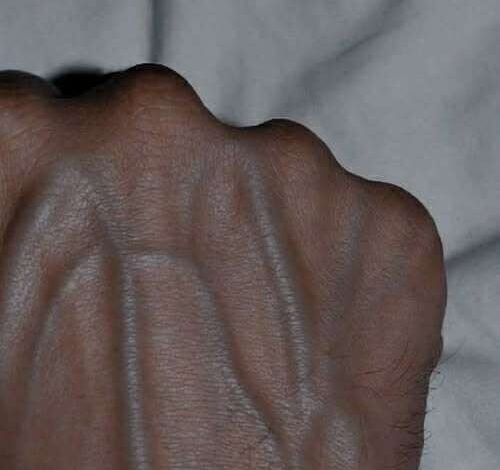
Visible veins in the hands can suddenly attract attention, especially when they appear darker or more raised than before. Blue or green lines under the skin may look alarming, but in many people they are a normal result of anatomy, age, temperature, activity, or body composition rather than a sign of cancer or another hidden emergency.
Veins return blood to the heart. In the hands, they lie relatively close to the surface, and the skin covering them is naturally thin. Genetics influence how visible they are. Some people have prominent hand veins from youth, while others notice them only as their skin and tissues change.
Aging is one common explanation. Skin gradually loses collagen and becomes thinner, making the structures beneath it easier to see. The layer of fat on the back of the hands may also decrease. Veins that were always present can therefore look larger even when the blood vessels themselves have not become unhealthy.
Low body fat can have a similar effect. Athletes and lean people often show more veins because there is less tissue between the vessel and the surface. Exercise temporarily increases blood flow and can cause vessels to expand. Weight lifting also raises pressure in working muscles, making veins stand out during and shortly after a session.
Heat causes blood vessels near the skin to widen as the body tries to release warmth. Hands may look more vascular after a hot shower, during summer weather, or in a heated room. Cold can produce the opposite effect, although circulation responses vary from person to person.
Hydration, posture, and repeated use of the hands can change appearance as well. Veins may become more noticeable when the arms hang down and less prominent when the hands are raised. This simple change reflects gravity and blood flow, not necessarily disease.
Visible veins deserve medical attention when they arrive with other symptoms. Pain, swelling, warmth, redness, a hard tender cord, or a sudden difference between one hand and the other should be evaluated. Those signs can occur with inflammation, injury, infection, or a clot.
Changes in skin color also matter. Fingers that repeatedly turn white, blue, or unusually red, especially with coldness, numbness, or severe pain, may point to a circulation problem. Wounds that heal slowly, new weakness, or persistent tingling should not be ignored.
Bulging twisted veins are more common in the legs, where gravity places greater pressure on valves, but they can appear in the hands. Sometimes prominent hand veins are mainly a cosmetic concern. A vascular or dermatology specialist can explain treatment choices after confirming that there is no underlying problem.
Cancer is not diagnosed by the visibility of hand veins. Viral posts that describe blue lines as a direct cancer signal create fear without considering how common the finding is. Cancer can affect blood vessels in complicated ways, but visible veins alone do not establish that diagnosis. Screening and testing depend on symptoms, age, history, and professional assessment.
People should also avoid attempting to treat veins with harsh creams, tight bands, punctures, or unverified supplements. Such methods can injure the skin or circulation. General measures such as hydration, movement, sun protection, and avoiding tobacco support overall vascular and skin health but will not erase normal anatomy.
A clinician may examine pulse, skin temperature, swelling, color, and the way blood moves through the area. Ultrasound or other tests are used only when symptoms or history suggest a problem. Many patients need nothing more than reassurance.
Photographs online cannot replace that examination. Lighting, filters, camera angle, and skin tone can make veins appear dramatically different. Comparing one’s hands with a stranger’s image often increases anxiety without providing useful information.
The most balanced response is observation without panic. If the veins have always been visible, change with temperature or exercise, and cause no discomfort, they are likely a normal feature. If they become painful, swollen, hot, discolored, or suddenly different, arrange medical care. Paying attention to the body is wise, but a common physical variation should not be turned into a frightening diagnosis.