A legacy of health Soong Mei ling longevity and fight against cancer
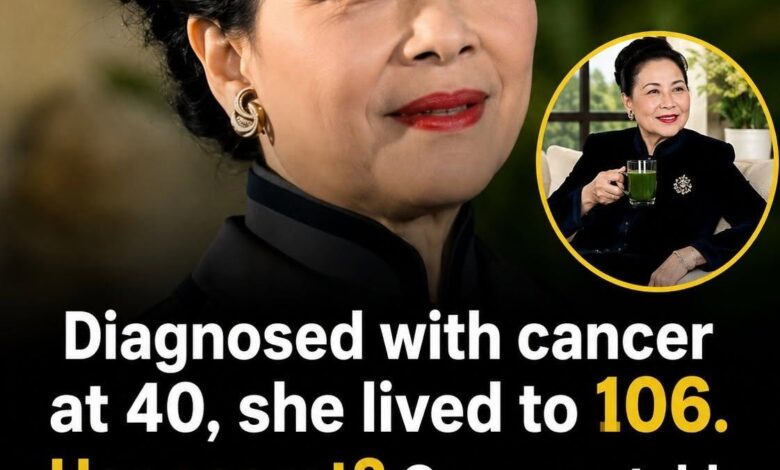
Soong Mei ling, widely known as Madame Chiang, lived through more than a century of political change and became one of the most recognizable Chinese women of the twentieth century. She was not only the wife of Chiang Kai shek. Her education, command of English, public speaking, and understanding of Western culture made her a diplomat and political force in her own right.
Born into the wealthy Soong family, Mei ling received opportunities unavailable to most women of her era. She studied in the United States and learned to move comfortably between Chinese and American society. That background later helped her explain Nationalist China’s position to international audiences and build support during periods of war and political crisis.
Her life was also marked by a major health struggle. The source account says she was diagnosed with cancer at about 40 and overcame the illness before living to 106. She died in 2003 after remaining mentally engaged and publicly admired well into old age. Her longevity led many people to examine her habits for a secret that others could copy.
There is no single food or drink that guarantees a long life or prevents cancer. Genetics, wealth, access to medical care, environment, luck, and many personal choices all influence health. Still, the daily routine attributed to Madame Chiang reflects several habits that can support well being when viewed sensibly rather than as a miracle cure.
She reportedly kept a consistent sleep schedule, going to bed around 11 at night and rising around nine in the morning. Regular rest helps the body recover and can support mood, concentration, and immune function. Individual sleep needs vary, but a stable schedule is often more useful than chasing complicated wellness trends.
Mei ling also set aside time for reading, painting, and writing. These activities gave structure to her days and kept her mind active. Creative work can reduce stress, preserve a sense of purpose, and encourage learning. Her interest in art and language continued long after formal political duties had faded.
Each morning, she was said to drink cold lemon water. Lemon adds flavor and a small amount of vitamin C, but the greatest benefit may simply be hydration. Water supports circulation, digestion, and temperature regulation. People with sensitive teeth or stomach problems may prefer less acidity, and lemon water should not be treated as a cancer treatment.
Her diet included fruits such as kiwi, pineapple, and lychee. Fruit provides vitamins, water, fiber, and a variety of plant compounds. Eating a range of fruits is more important than relying on one particular variety. Portion needs also differ for people managing diabetes or other medical conditions.
Celery was another regular food associated with her routine. It contains water, fiber, vitamin K, folate, and other nutrients while being relatively low in calories. Traditional Chinese medicine has long valued celery, but claims that it alone protects the heart, cures disease, or stops cancer go beyond what a normal serving can prove.
Spinach added iron, folate, vitamin K, carotenoids, and other nutrients to her meals. Leafy greens are useful in a balanced diet, although people taking certain blood thinning medication may need consistent vitamin K intake and advice from a clinician. Proper washing and storage are important for all fresh produce.
Perhaps the most distinctive habit was eating small, frequent meals and stopping before feeling completely full. The source describes five meals a day, with Mei ling eating only until she felt about seventy percent satisfied. That approach may help some people avoid discomfort and manage energy, but it is not necessary for everyone. The quality and total amount of food still matter.
Her long life cannot be reduced to celery, spinach, fruit, or lemon water. What stands out more clearly is consistency: adequate rest, measured portions, mentally engaging work, and a diet centered on varied plant foods. She also had access to resources and care that shaped her experience.
Madame Chiang’s legacy reaches beyond wellness advice. She survived illness, political upheaval, exile, and the loss of influence while maintaining a strong public identity. Her habits are most valuable as an example of discipline and balance, not as a promise of extraordinary longevity. Anyone facing cancer should rely on qualified medical treatment and use healthy routines as support, never as a substitute.