These Are the Signs That He Is Cr See More Groin Skin Irritation Guide
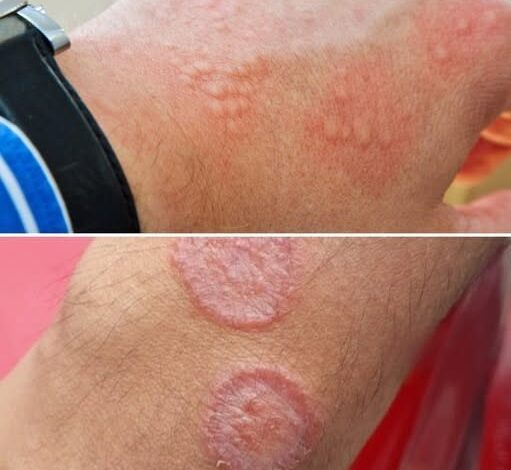
Skin irritation in the groin is common because the area is warm, moist, and frequently exposed to friction. A red or itchy patch can come from several different conditions, and similar-looking symptoms do not always have the same treatment. Paying attention to location, texture, recent shaving, new products, and how the rash changes can help a clinician identify the cause.
Ingrown hairs often appear after shaving, waxing, or plucking. A hair curls back or grows sideways into the skin instead of emerging normally. The result may be a small red, itchy bump with a visible hair beneath the surface. Some bumps become tender or develop pus if inflammation or infection occurs.
Warm compresses can ease discomfort, and pausing hair removal gives the skin time to recover. Picking, squeezing, or digging for the hair can cause further damage and introduce bacteria. When ingrown hairs are severe, recurring, or infected, medical care is safer than repeated home extraction.
Folliculitis is inflammation around hair follicles. It can be caused by bacteria, fungi, friction, shaving, or exposure to poorly maintained hot tubs and pools. It often appears as clusters of small red or white-headed bumps and may itch, burn, or feel tender.
Keeping the area clean and avoiding tight clothing can reduce irritation. Treatment depends on the cause, so an antibiotic product is not automatically appropriate for every case. Persistent, spreading, or painful folliculitis may require a clinician to determine whether bacteria, fungus, or another process is involved.
Jock itch is a fungal infection that usually affects the groin, inner thighs, and sometimes the buttocks. It thrives in warm, damp conditions. The rash can be red or darker than surrounding skin, scaly, itchy, and bordered by a raised edge that gradually spreads outward.
Keeping the area dry, changing sweaty clothing, wearing breathable underwear, and not sharing towels can help. Nonprescription antifungal creams are commonly used as directed on the label, but a rash that does not improve may not be fungal or may need a different treatment.
Contact dermatitis begins when skin reacts to an irritant or allergen. A new soap, detergent, lotion, perfume, fabric dye, latex product, or laundry product may be responsible. Sweat and tight, unwashed clothing can increase exposure and make the reaction worse.
The skin may become red, itchy, inflamed, dry, or blistered. Identifying and avoiding the triggering product is central to improvement. Fragrance-free cleansers and moisturizers are often gentler. Medication for itching should be chosen carefully because some products can worsen fungal rashes or be unsuitable for delicate skin.
Intertrigo develops where skin rubs against skin and moisture remains trapped. It commonly affects folds, including the groin. The area may feel raw, sting, burn, or develop an odor. Heat, limited airflow, tight clothing, and body shape can all contribute.
Moist, damaged skin can also develop a secondary fungal or bacterial infection. Keeping folds clean and thoroughly dry, reducing friction, and using a protective barrier when appropriate may help. If there is an infection, treatment needs to match its cause rather than relying on one cream for every rash.
Prevention is largely practical. Use a clean razor and shave in the direction of hair growth rather than repeatedly scraping close to the skin. Wear loose, breathable clothing, especially after exercise. Wash after heavy sweating and dry carefully without harsh rubbing.
Personal items matter because fungi and bacteria can travel on damp fabric. Towels, razors, underwear, and clothing should not be shared. Workout clothes should be washed between uses, and wet swimwear should be changed promptly.
Gentle products reduce avoidable irritation. Strong fragrance, aggressive scrubs, and multiple creams applied at the same time can make it harder to determine what caused the problem. A simple routine also makes it easier to notice whether the rash is improving.
Some symptoms should not be managed by guesswork. Seek medical advice when a rash lasts more than about two weeks, returns repeatedly, spreads quickly, or causes severe pain, swelling, drainage, sores, or blisters. Fever, flu-like symptoms, or feeling seriously unwell are additional reasons for prompt care.
Sexually transmitted infections and other medical conditions can sometimes cause groin lesions or rashes. A clinician can take a history, examine the skin, and order testing when needed. Avoiding evaluation out of embarrassment can delay the correct treatment.
Groin irritation is common, but the label alone does not identify the cause. Ingrown hairs, folliculitis, jock itch, contact dermatitis, and intertrigo each have different features and may need different care. Clean, dry skin and breathable clothing are useful foundations, while persistent or worsening symptoms deserve a proper diagnosis.