Dolly Partons Long Sleeves Keloid Scars and Pastel Tattoos
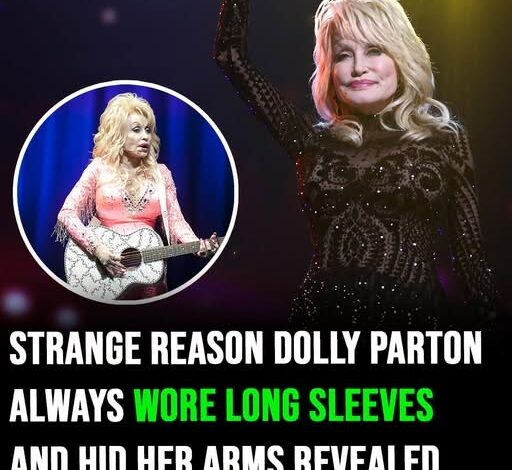
Dolly Parton’s long sleeves were nearly as recognizable as her blond wigs, rhinestones, and high heels. Across concerts, interviews, and public appearances, she usually kept her arms covered. The consistency inspired years of speculation, but the available explanation is more personal than a dramatic hidden secret: the garments may have helped conceal scars and the small tattoos she used to soften their appearance.
Parton explained that she was prone to keloid scarring. Keloids form when scar tissue grows beyond the original injury, creating a raised area that can remain visible and sometimes uncomfortable. The condition affects people differently, and a minor procedure or wound can leave a more noticeable mark than expected.
Rather than display every scar, Dolly said she sometimes placed small, pastel colored tattoos over or near them. She rejected the rumor that her body was covered in extensive ink. The designs she described were delicate images such as flowers, butterflies, and an angel, chosen for beauty and personal meaning rather than shock.
The butterfly had an especially strong connection to her public identity. It appeared in her songs and in the visual language of Dollywood and the Dollywood Foundation. For Parton, the image suggested freedom, transformation, color, and the possibility of becoming something different from one’s beginnings. A butterfly tattoo therefore fit naturally within the symbols she already loved.
Dolly never provided a single definitive rule explaining every long sleeved outfit. Fashion choices can have several motives at once. Sleeves may cover scars or tattoos while also creating a preferred silhouette, protecting skin, coordinating with a costume, or simply making the wearer feel confident. The absence of one complete answer did not make the choice deceptive.
Her clothing reflected careful control over an image she deliberately exaggerated. Parton knew her appearance could attract criticism, and she often responded with humor before anyone else could make the joke. That self awareness transformed artificial hair, bright makeup, and sparkling costumes into a form of authorship. She decided how the world would see her.
The fascination with her arms also reveals how celebrity can encourage a sense of entitlement. Because audiences feel familiar with a performer, they may believe every detail of the performer’s body requires explanation. Parton shared many personal experiences, but openness about some subjects did not remove her right to privacy about others.
Her health history gave the sleeve question a human context. Scars can affect confidence even when they are medically harmless, and keloids can be difficult to treat. Choosing clothing or body art to manage their appearance is common. Dolly’s solution combined practicality with the decorative style that characterized the rest of her wardrobe.
In later years, the small mystery persisted because photographs rarely offered a clear view. Online posts turned possibilities into confident claims, sometimes suggesting secret full body tattoos. Parton’s own description was much less sensational: a few modest designs used where scars had formed.
What people remember most should not be the skin beneath a sleeve. Parton wrote hundreds of songs, created unforgettable recordings, built successful businesses, and supported literacy through the Imagination Library. Her philanthropy placed free books in the hands of children in several countries, giving her influence a reach far beyond fashion.
The sleeves nevertheless fit the larger story of how she lived in public. They allowed her to protect a vulnerable detail while turning it into part of an iconic look. Instead of surrendering control to cameras, she chose color, shape, and coverage on her own terms.
Dolly Parton’s style was joyful theater supported by practical decisions. The tattoos were small, the scars were personal, and the sleeves were hers to wear without apology. The enduring lesson is not that she hid something shocking, but that she found a creative way to feel comfortable while presenting the version of herself she wanted audiences to celebrate.