Hollywood Mourns the Loss of a Legendary Action Performer and Stunt Pioneer
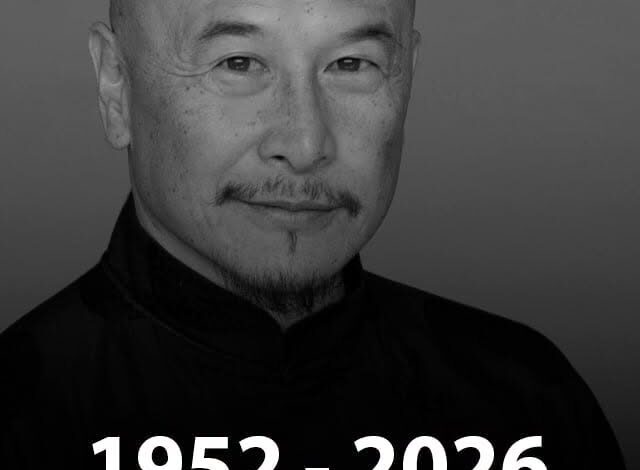
Hollywood is mourning James Lew, the martial artist, actor, stunt performer, and Emmy winning stunt coordinator whose work helped shape action entertainment for more than five decades. Lew died on August 23, 2026, at the age of 73. His wife, Jordana Potter, announced his death, while colleagues remembered a generous professional whose influence reached far beyond the roles audiences saw on screen.
Lew belonged to the group of performers who made dangerous movie moments look effortless. Stunt work requires athletic ability, precise timing, knowledge of cameras, and complete trust among the people involved. A convincing fight is not uncontrolled violence; it is choreography designed so that movement appears forceful while risks are carefully managed.
His martial arts training gave him a foundation for that work, but longevity in the industry demanded more. Lew learned how to adapt technique for lenses, editing, sets, costumes, and performers with different levels of experience. He could act inside an action sequence, communicating character and story rather than merely demonstrating physical skill.
Audiences may recognize him from films including Big Trouble in Little China, Timecop, Hot Shots Part Deux, Rush Hour, and numerous other productions. Like many stunt professionals, he often contributed to projects in several capacities. A short appearance on screen might sit alongside days of rehearsal, coordination, safety planning, and work helping other performers complete an action scene.
His career extended through eras in which Hollywood action changed dramatically. Practical fights and falls dominated much of his early work. Later productions blended physical performance with digital effects, larger television schedules, and increasingly formal safety systems. Lew remained valuable because the fundamentals of movement, storytelling, and trust never stopped mattering.
He also wrote, directed, and starred in the 2006 martial arts comedy 18 Fingers of Death. The project drew on his long experience in low budget action filmmaking and allowed him to laugh affectionately at the genre’s conventions. It showed a creative personality interested not only in executing action but in shaping the entire production around it.
In 2017, Lew won a Primetime Emmy for outstanding stunt coordination for Marvel’s Luke Cage. The award recognized years of accumulated craft as well as the specific achievement of the series. Screen action depends on teams, and a coordinator must balance the director’s ambitions with the abilities of performers and the practical limits of time, location, and safety.
Colleagues described Lew as a mentor. Experienced stunt professionals carry knowledge that cannot be learned from a manual alone: how to read a set, when to simplify an idea, how to communicate fear without embarrassment, and how to protect a team when pressure builds. Passing those lessons to younger performers may be one of his most lasting contributions.
His visibility also mattered to Asian American artists in an industry that often limited them to narrow roles. Lew worked through stereotypes while building authority behind the camera. The full record of his career demonstrates that the people briefly labeled as villains or henchmen were often highly trained creators responsible for the quality of the action itself.
The cause of his death was not publicly announced in the initial reports, and there is no reason to invent one. What is established is the scale of the response from the martial arts and stunt communities. Tributes emphasized his professionalism, humor, knowledge, and willingness to help others.
James Lew’s name may not have appeared above the title of every film he improved, but his movement is embedded in the work. Each safely completed fight, fall, and collision depended on preparation viewers were never meant to notice. Hollywood has lost a pioneer and teacher, while generations of performers retain the techniques and standards he helped pass forward.