What Your Legs Cannot Say Your Vagina Can The Truth About the Female Body Most People Do Not Know
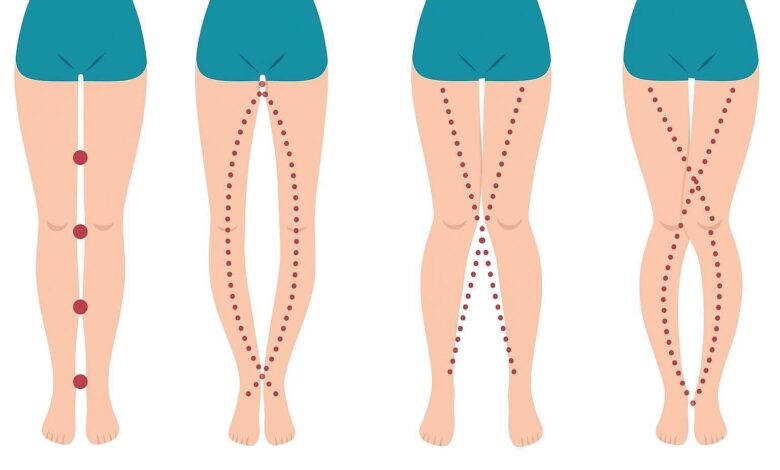
The female body is often discussed through myths, jokes, and misleading visual comparisons. Leg shape cannot reveal a woman’s sexual history, fertility, or vaginal health. Bodies vary naturally, and the angle of the hips, knees, and feet reflects bone structure, muscles, posture, genetics, age, and injury rather than intimate behavior.
Understanding the anatomy begins with using the right words. The vulva is the external genital area, including the labia, clitoris, urethral opening, and vaginal entrance. The vagina is the internal muscular canal that connects the vulva to the cervix. Calling the entire area the vagina may seem harmless, but accurate language makes health conversations clearer and helps people describe symptoms to a clinician.
The vagina is flexible rather than permanently open. Its walls usually rest against one another and contain folds called rugae. Those folds and the surrounding muscles allow expansion during penetration and childbirth. The tissue then changes again as swelling decreases and healing takes place. Sexual activity does not permanently determine whether a vagina is tight or loose.
Pelvic floor muscles provide important support beneath the bladder, uterus, and bowel. Pregnancy, childbirth, aging, surgery, chronic coughing, and heavy lifting can affect their strength. Some people benefit from correctly performed pelvic floor exercises, while others have muscles that are already too tense and need relaxation or physical therapy instead. Pain should not be treated by repeatedly squeezing muscles without an assessment.
Hormones influence vaginal tissue throughout life. During reproductive years, estrogen generally helps keep the lining elastic and supports natural lubrication. Pregnancy increases blood flow and creates further changes. After menopause, lower estrogen can lead to dryness, irritation, burning, or discomfort during sex. These symptoms are common, but a person does not have to accept them silently; moisturizers, lubricants, and clinician directed treatments may help.
Normal discharge also changes. Around ovulation it may become clear and stretchy. At other points in the menstrual cycle it can be white, cloudy, or sticky. A sudden strong odor, green or gray discharge, itching, sores, bleeding that is not expected, or persistent pelvic pain deserves medical attention because infection and other conditions cannot be diagnosed from appearance alone.
The vagina has its own microbial environment and generally cleans itself. Internal douching can disturb that balance and may increase irritation or infection risk. Gentle washing of the external vulva with water, and if desired a mild unscented cleanser, is usually enough. Perfumed sprays and heavily fragranced products can cause problems while promising a level of cleanliness the body does not need.
Appearance varies widely. Inner labia may be longer than outer labia, one side may be larger, pigmentation may change over time, and the clitoral hood may be more or less prominent. These differences are as ordinary as differences in noses or ears. Images selected for advertising or pornography do not represent the full range of healthy bodies.
The hymen is another source of misinformation. It is not a seal that proves whether someone has had sex. Hymenal tissue has many natural shapes and may stretch through ordinary activity, tampon use, medical care, or without any memorable event. Bleeding during first intercourse is not universal and should never be demanded as evidence of virginity.
Good intimate health depends on noticing changes rather than judging a body against a single ideal. Routine cervical screening when appropriate, safer sex practices, testing when exposure is possible, and honest conversations with qualified professionals matter far more than rumors based on legs or body shape.
Knowing these facts gives women better tools to recognize what is normal for them and to seek help when something changes. The most useful truth is simple: anatomy is diverse, the vagina is resilient, and neither health nor personal history can be read from the distance between a woman’s knees.