How to Stop Maggots From Taking Over Your Trash Bin
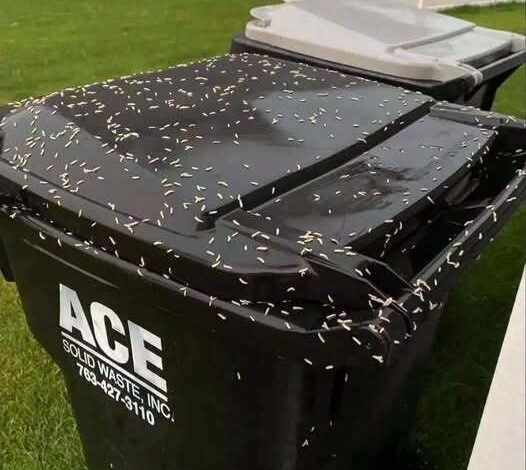
Opening a trash bin and finding what looks like scattered rice is unpleasant enough. Realizing that the pale grains are moving can be genuinely alarming. The small white creatures are usually maggots, the larval stage of flies, and their sudden appearance means adult flies found suitable food and laid eggs before the bin was emptied.
Maggots do not appear from the garbage itself. Houseflies and blowflies are attracted to the odor of decomposing organic material, especially meat, fish, pet food, spoiled fruit, greasy packaging, and damp scraps. A fly can enter through a small opening, deposit eggs on the waste, and leave almost unnoticed. In warm weather those eggs may hatch quickly, making it seem as though an infestation developed overnight.
A trash bin offers an ideal nursery. It is sheltered, humid, warm, and full of food. Liquid collecting at the bottom can hold odors even after the bag is removed. Residue under the rim or around the lid is enough to keep attracting insects. Outdoor bins become especially vulnerable in summer, while an indoor kitchen bin can develop the same problem if food waste sits for several days.
The first step is to remove the source. Put on gloves, close the bag securely, and carry it directly to the outdoor collection point. If the bag has leaked, place it inside a second bag. Keep children and pets away from the area until the bin and nearby floor have been cleaned.
Empty any loose material and wash every surface with hot water and ordinary household detergent. The bottom, corners, lid, hinges, handles, and grooves around the rim deserve attention because eggs and residue can hide where a quick rinse will not reach. A long handled brush makes it easier to scrub an outdoor wheelie bin without placing hands near contaminated waste.
Very hot water can kill larvae, but care is needed around plastic containers and skin. Chemical products should never be mixed. In particular, bleach must not be combined with ammonia, vinegar, or other cleaners because dangerous gases can form. For most household bins, thorough scrubbing with detergent followed by rinsing is more important than using a harsh mixture.
After washing, let the bin dry completely in a ventilated place. Remaining moisture helps odors persist and creates another welcoming environment. Clean the floor or ground beneath the bin as well, since larvae may crawl away from the original food source while searching for a dry place to pupate.
Prevention begins with the way waste is handled. Tie bags tightly, wrap meat and fish scraps before discarding them, and avoid leaving loose food in the container. Some households freeze especially odorous scraps until collection day. Rinsing cans and food containers, taking kitchen garbage out regularly, and wiping spills promptly reduce the smell that guides flies to the bin.
The lid should close fully. A warped lid, cracked side, or overflowing bag gives flies easy access. Outdoor bins are best kept in shade when possible because direct sun raises the internal temperature and speeds decomposition. Washing the bin on a regular schedule prevents the thin layer of residue that can continue attracting flies even when it appears empty.
A few maggots in household garbage are normally a sanitation problem rather than a sign of something mysterious. However, repeated infestations despite careful cleaning may point to a hidden source such as spilled pet food, a dead animal, or waste trapped beneath an appliance. Locating that source is essential.
The sight is disturbing, but the solution is straightforward: remove the food, clean the container, dry it, and block flies from returning. Once the breeding conditions are gone, the moving white larvae stop being an inexplicable horror and become a manageable household problem.