Depressing Find at the Bottom of the Mariana Trench Is a Warning to the World
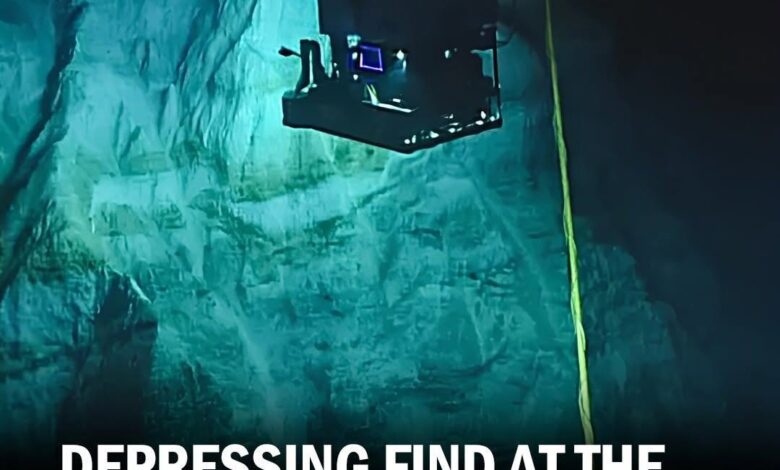
A plastic bag found at extraordinary depth in the Mariana Trench offered a bleak demonstration of how far human waste can travel. The trench is one of the most remote and extreme environments on Earth, yet even its darkness and pressure have not protected it from disposable material used briefly at the surface.
The Mariana Trench reaches nearly 11,000 meters below sea level at its deepest point. Claims that an object was found 35,000 feet down describe a location close to that maximum depth. Conditions there include crushing pressure, cold temperatures, scarce food, and ecosystems adapted to a world completely different from the coastlines where most plastic enters the ocean.
Researchers using the Deep-Sea Debris Database found plastic to be the most prevalent form of recorded ocean debris. In observations from the trench, a large share of identified plastic was single-use material. Bags, wrappers, bottles, packaging, and fishing-related waste can move through rivers, drains, storms, ships, and ocean currents before sinking.
Distance does not make humanity less responsible. Plastic does not respect national borders or remain near the place where it was discarded. Currents carry floating pieces across ocean basins, while organisms, sediment, and damage can change buoyancy and pull material downward. Deep canyons may concentrate debris transported from far away.
The harm is not limited to an ugly object in a photograph. Marine animals can swallow fragments, become entangled, or encounter chemicals associated with plastic. Larger items gradually break into microplastics rather than disappearing. Those particles have been detected throughout marine food webs and in places once imagined to be untouched.
Deep-sea ecosystems recover slowly. Many organisms grow, reproduce, and respond to disturbance over long periods. Removing debris at extreme depth is difficult, expensive, and capable of causing additional damage. Prevention at the surface is therefore far more practical than expecting technology to clean every trench.
Single-use products are central because they combine very short utility with long persistence. A bag may carry groceries for minutes and remain in the environment for decades or longer. Reducing unnecessary items, improving collection, and designing packaging for reuse can prevent waste before it reaches water.
Individual choices help but cannot solve the problem alone. Reliable municipal collection, deposit systems, producer responsibility, fishing-gear tracking, wastewater controls, and enforcement against dumping are necessary. Companies that profit from disposable packaging should share responsibility for the full life of what they sell.
Scientific monitoring must continue. Remotely operated vehicles, crewed submersibles, seabed surveys, and shared databases reveal patterns that surface counts miss. Standardized records can help distinguish local dumping from material carried across long distances and measure whether policies are reducing the flow.
The discovery also changes the story people tell about wilderness. The deepest ocean is not separate from daily life. A decision in a shop, factory, city, or fishing vessel can eventually leave evidence thousands of miles away and several miles below the surface.
The plastic bag in the Mariana Trench is depressing precisely because it is ordinary. It was not a rare industrial machine, but an object designed to be cheap and temporary. Its presence at Earth’s greatest depth is a warning that throwaway culture has no true away. Protecting the deep ocean begins long before waste reaches the sea, with systems that prevent disposable plastic from being created, lost, and forgotten.
Consumers can support that work by carrying reusable bags and bottles, refusing unnecessary packaging, sorting waste correctly, and joining local cleanups. Those acts become powerful when paired with policy: limits on avoidable single-use products, dependable recycling and disposal, and transparent reporting from producers. The trench discovery connects personal habits to global systems. Neither level can be ignored if future expeditions are to find deep-sea life rather than more evidence of surface waste.