Clint Eastwood Fans Are Saying Goodbye To A True Hollywood Legend See More
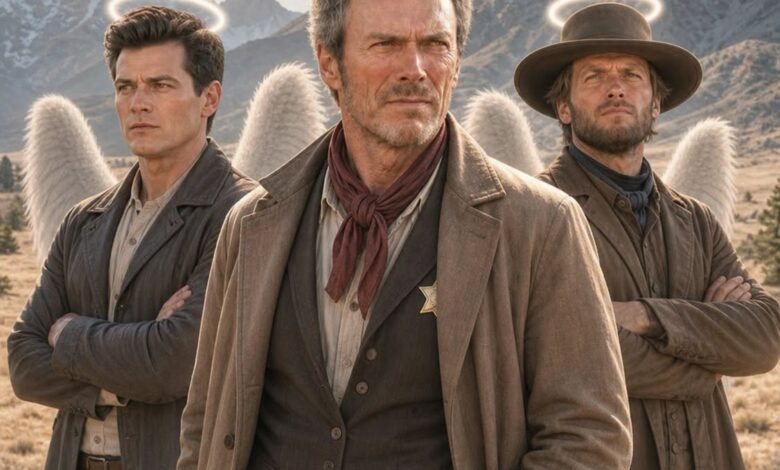
Clint Eastwood’s long career has made any suggestion of farewell feel personal to generations of moviegoers. His face belongs to westerns, police dramas, intimate character studies, and films he directed with remarkable economy. As he grows older and works less publicly, fans are confronting the reality that even Hollywood’s most durable figures eventually step away from the center of the frame.
Eastwood first became familiar through television and early western roles. His quiet delivery and controlled physical presence separated him from actors who filled scenes with speeches. In Sergio Leone’s films, the unnamed gunslinger communicated through posture, timing, and a stare. Those performances helped reshape the western hero into someone more ambiguous and dangerous.
Dirty Harry added another defining character. Inspector Harry Callahan became a symbol of frustration with institutions and a source of continuing argument about policing, violence, and justice. Eastwood’s performance was compelling because the character’s certainty existed beside the troubling consequences of his methods.
Directing allowed Eastwood to move beyond the image that made him famous. He became known for efficient sets, careful performances, and stories interested in regret. Unforgiven dismantled the mythology of easy western violence. Million Dollar Baby placed ambition, love, disability, and moral responsibility inside a relationship between a boxer and trainer.
Mystic River, Letters from Iwo Jima, Gran Torino, and other films showed his interest in guilt, memory, aging, and the cost of decisions. He often photographed characters without insisting that the audience admire them. The restraint of his direction gave actors room to reveal contradictions through small behavior rather than explanatory dialogue.
Age became part of his work rather than something he tried to hide. Later characters moved slowly, carried old prejudices or failures, and faced a world that no longer revolved around them. Eastwood used his own screen history to deepen those roles. Viewers remembered the young gunfighter while watching an older man reckon with what toughness had not solved.
Headlines about saying goodbye can easily be mistaken for confirmation of death or a medical crisis. The available source describes the emotion surrounding an aging legend, not a verified report that Eastwood has died. Respect requires keeping that distinction clear. A retrospective can celebrate a career without turning concern into a false obituary.
His family’s presence has become more visible as fans discuss his later years. Aging changes daily routines even for a person associated with strength and independence. Privacy allows relatives to support him without every ordinary change becoming public evidence for a dramatic rumor.
Eastwood’s legacy will always be debated. His films, politics, characters, and choices have inspired admiration and criticism. That complexity is part of why the work has lasted. He did not build a career by remaining in one safe category; he repeatedly returned to American myths and asked what they conceal.
Fans may feel they are saying goodbye because the era surrounding him is fading. The honest tribute is to watch the films, discuss them seriously, and recognize the human life beyond the legend. Clint Eastwood’s place in cinema does not depend on a sensational final headline. It rests on decades of performances and direction that permanently changed how silence, violence, regret, and endurance appear on screen.
That body of work is best understood across time rather than through a single famous pose. Early television, international westerns, studio thrillers, modest character pieces, and late directing projects reveal an artist repeatedly testing the limits of his established image. Some films have aged more comfortably than others, and renewed viewing invites arguments that publicity summaries cannot settle. That is a healthier form of farewell than rumor. It lets audiences recognize collaborators, reconsider difficult themes, and pass the films to younger viewers who did not experience their original release. A career this long deserves attention grounded in the work itself.