Dont Leave Your Phone Charger Plugged In
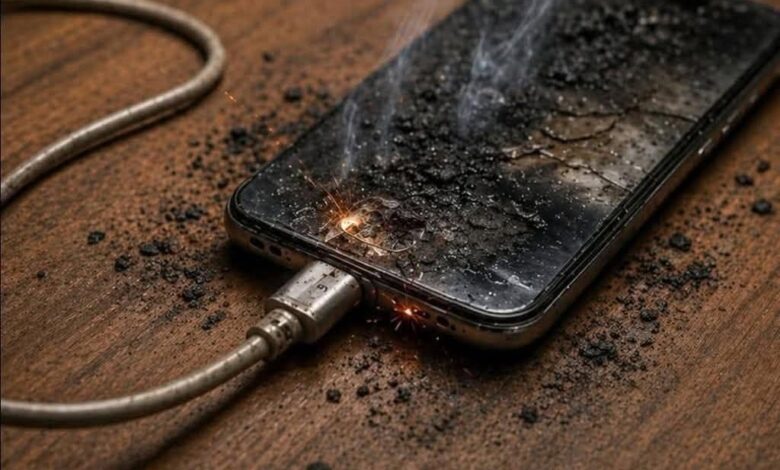
Leaving a phone charger plugged into the wall after removing the phone feels harmless. The cable is not doing anything visible, the adapter is small, and millions of people leave one behind a bed or sofa every day. Yet a connected charger can still draw electricity, produce heat, and remain exposed to voltage changes even when no device is attached.
Modern quality chargers use very little standby power. The amount consumed by one adapter may be small, but it is not always zero. A household can have chargers for several phones, tablets, watches, headphones, and other devices connected continuously. Over a year, that unnecessary use adds up. Unplugging unused adapters is a simple way to reduce phantom energy without changing how the devices are used.
Heat is the more important concern. Electronic components inside an adapter convert household power to the lower voltage required by a phone. Some warmth during charging is normal, but a damaged, poorly manufactured, or aging charger may run hotter than it should. If it is covered by bedding, pushed behind furniture, or placed where air cannot circulate, that heat has fewer ways to escape.
Low quality counterfeit chargers can be especially risky. A safe adapter needs insulation, proper spacing between high and low voltage components, and protection against excessive current and temperature. Cheap products may imitate a trusted brand on the outside while omitting important safeguards inside. The danger is not simply that they charge slowly; a serious failure can damage a phone, create an electric shock hazard, or ignite nearby material.
The outlet matters as well. A plug that feels loose, falls out easily, makes a buzzing sound, or shows dark marks should not be ignored. Poor contact creates resistance, and resistance creates heat. Repeatedly bending the charger prongs or forcing an adapter into a damaged receptacle can make the problem worse. An electrician should inspect outlets that are hot, discolored, cracked, or unreliable.
Cables deserve the same attention. Frayed insulation near the connector, exposed wire, sharp bends, and crushed sections can lead to short circuits. Many people continue using a cable because it still charges if held at a certain angle. That behavior is a warning that the internal conductors are failing. Replacing the cable costs far less than repairing a damaged device or dealing with an electrical fire.
Placement can turn a minor fault into a serious event. Chargers should be kept on hard, open surfaces rather than under pillows, blankets, or piles of clothing. They should stay away from sinks, damp rooms, and places where liquid can spill. Children and pets may pull cables, chew insulation, or place metal objects near exposed connectors, so unused equipment should be stored safely.
Electrical surges are another reason to disconnect chargers that are not needed. A properly designed adapter can tolerate normal variations, but lightning and faults in the power system can produce much larger spikes. Surge protection may reduce the risk, though it cannot guarantee complete protection in every event. Unplugging sensitive devices during severe storms provides an additional physical break from the supply.
There is no need to panic every time a charger remains connected overnight. Certified adapters in good condition are designed for regular use, and phones include systems that manage charging. The sensible response is to reduce avoidable exposure: use reputable products, inspect them often, provide ventilation, and unplug them when they will not be used for long periods.
A charger is easy to overlook because it becomes part of the room. Making a habit of removing it from the socket takes only a moment. That small action saves a little electricity, reduces constant heat and electrical stress, and creates an opportunity to notice damage before it becomes dangerous. Convenience matters, but so does treating every device connected to household power with basic care.