Rest in peace Died after father took his infant son
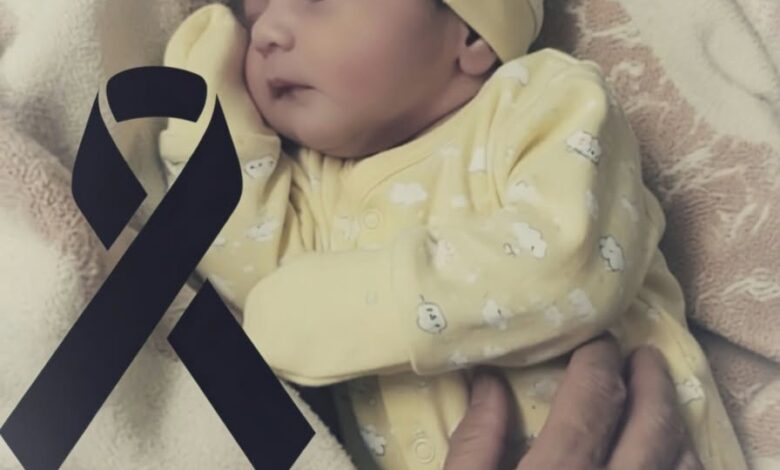
He wanted only a quiet moment with his infant son in the middle of the night. The baby was two months old, and the exhausted father lifted him from where he had been resting. Minutes later, a single fall inside the family home in Jardim das Américas 2ª Etapa turned that ordinary act of care into an irreversible tragedy.
The father reported that he fell asleep while holding the child. At some point the baby slipped from his arms and fell. When the household realized something was wrong, emergency help was called, but the room had already become painfully still. SAMU medical personnel arrived and could do nothing beyond confirming the infant’s death.
Neighbors woke to sirens and worried voices as the emergency response unfolded. Outside the home, people tried to understand how a brief pause in the night could end a life. Inside, the father faced the unimaginable knowledge that the child he had meant to comfort was no longer breathing.
The Civil Police opened an investigation because the death of an infant requires more than assumptions, even when the first account describes an accident. Officers began interviewing the father, relatives, and neighbors. They needed to reconstruct the final minutes, establish where and how the baby fell, and determine whether any other factor contributed.
Investigators had to walk a narrow line between law and grief. Their responsibility was to examine the physical evidence and statements carefully, not to decide the outcome from the family’s anguish. The question was whether the death was an unforeseeable domestic tragedy, the result of negligence, or connected to circumstances not yet known.
Medical findings would be essential. The injuries, the height and surface of the fall, the timing of the emergency call, and the condition of the room could help specialists determine whether the account matched the evidence. Those steps may feel cold beside a grieving family, but they protect both the child and the integrity of the investigation.
The father’s exhaustion formed part of the reported sequence. Caring for a newborn often divides sleep into short, unpredictable periods, and a parent may underestimate how quickly fatigue can take over. The case illustrates why holding a baby on a sofa, chair, or bed while extremely tired can become dangerous even when the adult has no intention of sleeping.
A safer response to overwhelming fatigue is to place the baby on a firm, flat sleep surface designed for infants, on the baby’s back, without loose bedding or pillows. If another responsible adult is available, asking that person to take over can prevent a moment of exhaustion from becoming a crisis. These precautions do not change what happened in this home, but they reflect the risk revealed by it.
For the family, every detail of the investigation exists beside a permanent absence. The child had lived only two months, yet routines, hopes, and relationships had already formed around him. No legal conclusion can remove the father’s memory of that night or return the baby to the people who expected to watch him grow.
Police will decide what the evidence supports. Until then, the facts must be handled with care rather than turned into instant judgment. One truth is already certain. A baby is gone, a father is living with a devastating account of how it happened, and a family in Jardim das Américas 2ª Etapa will never again experience the night as it did before.
The case also carries a message about how quickly a tired caregiver can lose awareness. Fatigue does not arrive with a clear warning or guarantee time to move a child first. A parent who notices heavy eyelids, repeated head nodding, or gaps in attention should treat those signs as an immediate reason to put the infant down safely. The goal is not to condemn exhausted families, but to recognize a predictable danger before sleep takes control.