Wrinkled Fingers After Water Exposure: What Your Skin May Be Telling You
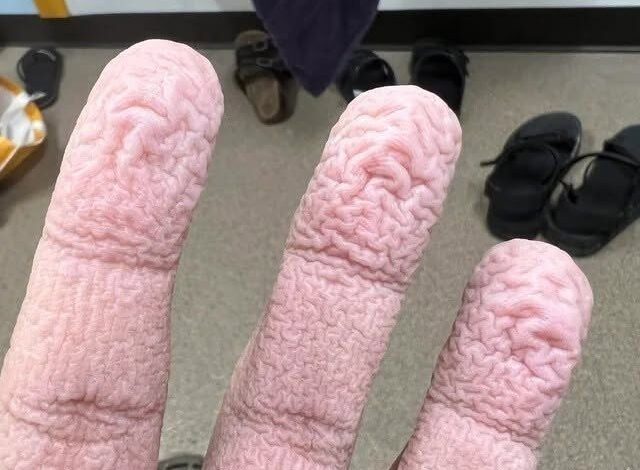
Wrinkled fingertips after a bath, swim, or long session washing dishes are familiar and usually harmless. The change is not simply skin soaking up water. Nerves controlling automatic functions signal tiny blood vessels beneath the surface to narrow, reducing volume under the skin and pulling it into ridges. Fingers and toes show the response most clearly because their specialized skin is built for touch and grip.
Researchers have proposed that the grooves may help people handle wet objects by channeling water away, although the full explanation remains debated. Normal wrinkling appears after several minutes, affects both hands similarly, and fades after drying. Timing varies with water temperature, age, skin condition, and individual sensitivity, so one person may wrinkle much sooner than another.
Frequent water exposure can cause a different problem. Hot water, detergent, sanitizer, and strong soap remove protective oils. Hands then become tight, rough, itchy, or cracked, and splits around fingertips may sting. Use suitable gloves for wet work, choose a mild cleanser, dry gently, and apply an unscented moisturizer while skin is slightly damp.
Wrinkling without water needs context. Dehydration can make skin look less plump, but fingertips alone cannot diagnose it. Thirst, dark urine, dizziness, vomiting, diarrhea, unusual fatigue, or reduced urination are more useful clues. Mild thirst may improve with normal fluids, while severe, persistent, or confusing symptoms require professional guidance.
Some people develop unusually rapid, pronounced wrinkling with burning, itching, or whitish raised areas after brief contact. That differs from ordinary bath wrinkles. A dermatologist can consider irritation, eczema, excessive sweating, medicine effects, or a less common condition. Photographs taken during an episode help when the skin returns to normal before an appointment.
Color change is another clue. Fingers that turn white or blue in cold conditions, become numb or painful, and then flush red while warming may reflect a blood-vessel response. Sudden discoloration in one hand, severe pain, weakness, swelling, a wound that does not heal, or fingers that remain cold should be assessed promptly.
After routine water exposure, remove tight rings if swelling occurs, dry between the fingers, and let the hands warm naturally. Very hot air and vigorous rubbing can worsen irritation or burn numb skin. If moisturizer is needed, apply it gently. Most pruning disappears on its own once normal circulation and the skin barrier recover.
The pattern is more useful than one isolated episode. Note whether it follows swimming, cleaning products, sweating, cold air, or a new medicine. Record how quickly it begins, how long it lasts, and whether both sides behave similarly. Those observations give a clinician useful evidence and prevent a normal temporary reaction from being confused with a persistent problem.
For most people, pruned fingers simply show that the body is adapting to a wet environment. If the skin smooths soon after drying and pain, rash, and unusual color are absent, reassurance and basic care are enough. Seek advice when the response is painful, one-sided, very rapid, prolonged, or accompanied by wider symptoms.
Hands perform thousands of tasks, so their condition reflects both the environment and daily habits. Protecting them from harsh chemicals, moisturizing consistently, and noticing meaningful changes is more valuable than interpreting every wrinkle as a hidden diagnosis. Ordinary pruning is temporary; a recurring unusual pattern deserves calm, careful attention.
Occupational exposure deserves special attention. Hairdressers, cleaners, healthcare workers, food preparers, and others who repeatedly wet their hands may develop irritant dermatitis even when each individual exposure seems minor. Alternating tasks, using correctly chosen gloves, and moisturizing after washing can reduce cumulative damage. Persistent cracks, bleeding, swelling, or signs of infection such as increasing warmth and pus should be examined.