THE SHOCKING PROMOTION THAT CHANGES EVERYTHING: TIM WALZ IS THRUST INTO THE NATIONAL SPOTLIGHT AS HARRIS’S RUNNING MATE
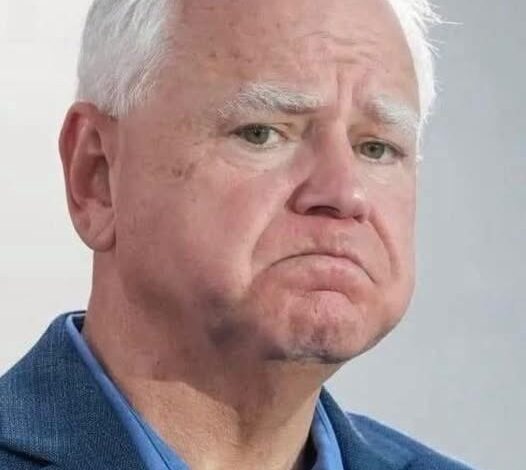
On August 6, 2024, Vice President Kamala Harris selected Minnesota Governor Tim Walz as her running mate in the presidential election. The choice moved Walz from state government into the center of a national campaign and immediately placed his record, biography, and political style under intense scrutiny.
Walz brought an unusual path to the ticket. Before entering politics, he worked as a teacher and served in the Army National Guard. He later represented a largely rural congressional district and became governor of Minnesota. Supporters argued that this background allowed him to speak to voters who felt disconnected from national political institutions.
The Harris campaign saw potential value in his Midwestern identity. Walz presented himself as direct, conversational, and familiar with agricultural communities, public schools, veterans, and small towns. Democrats hoped he could help communicate the ticket’s message in competitive states where cultural tone can matter as much as policy.
His elevation also created immediate risks. A vice-presidential nominee’s record becomes national material overnight. Votes, speeches, budgets, emergency decisions, and personal history are examined by opposition researchers and news organizations. Statements that attracted little attention in state politics can become national controversies.
Supporters emphasized policies enacted during his governorship, including investments in education and infrastructure, labor protections, and programs intended to support families. They described Minnesota as evidence that government could combine social policy with practical administration.
Critics offered the opposite interpretation. They argued that his record reflected an agenda too progressive for the country and questioned his handling of public safety, spending, pandemic-era decisions, and unrest in Minnesota. For Republicans, Walz became a way to attack not only Harris but what they described as the “Minnesota model.”
The choice therefore clarified the campaign’s argument. Harris did not select a running mate designed to create distance from Democratic priorities. She selected someone who could defend them in plain language while presenting himself as a former teacher, coach, veteran, and rural representative.
Walz’s family and personal history also entered the campaign narrative. National candidates lose much of the privacy available to governors. Every biography claim is checked, former colleagues are interviewed, and relatives can become subjects of partisan attention. The transition requires discipline because a single poorly phrased answer can dominate several days of coverage.
Vice-presidential nominees have two central jobs during a campaign. They must demonstrate readiness to assume the presidency if necessary, and they must prosecute the political case against the opposing ticket without overshadowing the presidential nominee. Walz was expected to campaign aggressively while maintaining the accessible style that helped earn the selection.
The announcement generated pride among many Minnesota supporters and frustration among opponents. It also raised practical questions about state leadership and succession if the Democratic ticket won. Governors do not cease governing merely because they join a national campaign, so Walz had to balance state responsibilities with travel, rallies, interviews, and debate preparation.
The title of “promotion” can be misleading. A running-mate selection is not an appointment to the vice presidency. It is a nomination within a campaign, and voters determine the outcome. In 2024, Walz’s selection placed him on the Democratic ticket; it did not itself grant federal office.
That historical distinction matters when older political stories circulate without dates. A headline describing Walz as newly confirmed can look like a current development even though it refers to the 2024 election cycle. Political articles should identify the date clearly so readers do not mistake past campaign news for a new appointment.
At the time, the selection changed how the country viewed a governor known mainly in the Midwest. His policies were no longer debated only in Minnesota. They became part of a national argument about education, healthcare, labor, rural voters, reproductive rights, public safety, and the role of state government.
Walz entered the campaign with strengths and vulnerabilities that would be tested under national pressure. Supporters saw authenticity and governing experience. Critics saw a record they believed could be used against the ticket. The announcement did not settle either judgment; it opened months of examination.
The significance of the choice lies in that transformation. In a single day, a state governor became a national candidate whose past decisions would be used to define a possible future administration. Whether voters accepted that case was never guaranteed. The selection simply placed Walz at the center of the contest and ensured that the country would learn far more about him.