The Forbidden Ritual: Is Cremation Actually a Sin in the Eyes of God?
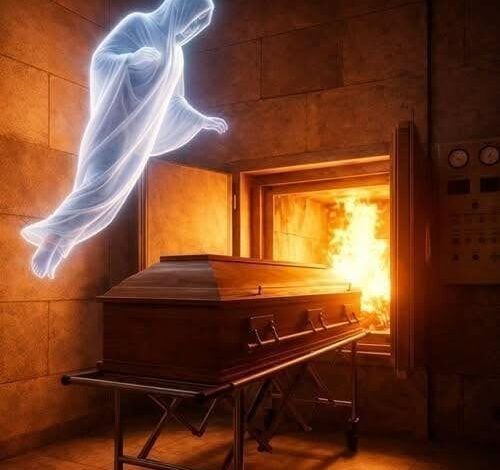
For many Christian families, choosing between burial and cremation is more than a practical funeral decision. It touches beliefs about the dignity of the body, the resurrection of the dead, and the traditions through which generations have honored loved ones. As cremation becomes more common, some believers still worry that reducing a body to ashes might be sinful or somehow interfere with God’s promise of resurrection.
Burial has deep roots in biblical history. Abraham arranged a burial place for Sarah, major figures in Scripture were laid in tombs, and the New Testament describes the burial of Jesus before his resurrection. Christian teaching has often used the image of a seed being placed in the ground and later raised in a transformed state. Because of those examples, burial became the normal Christian practice for centuries and acquired powerful spiritual meaning.
That history explains why some churches and families strongly prefer interment. A funeral and burial can visibly affirm that the body mattered and was treated with care. The grave also gives relatives a permanent place to visit. For believers who connect burial with the death and resurrection of Christ, the practice can feel like a final public expression of faith.
Yet a traditional preference is not the same as a direct biblical command. Scripture does not contain a clear rule declaring that cremation itself is a sin. References to bodies being burned usually appear in particular historical circumstances and do not establish a universal prohibition governing every Christian funeral. The Bible’s central promises about salvation and resurrection are not presented as dependent on the condition in which human remains are found.
The practical reality of death also matters. Every buried body eventually returns to dust through natural decay. Other bodies are lost at sea, destroyed by fire, or never recovered after disasters and war. Christian belief in resurrection has never depended on the physical preservation of every cell. If God can raise the dead, that power is not limited by a coffin, a grave, an urn, or the passage of centuries.
The New Testament description of the body as a temple of the Holy Spirit is sometimes raised as an objection to cremation. That teaching clearly supports treating human life and the body with respect. It does not, however, specify one required method for handling remains after death. Respect can be shown through a careful burial, a dignified cremation, a memorial service, and the loving way a family remembers the person who died.
History also shaped Christian suspicion toward cremation. In parts of the ancient world, burning the dead was associated with religious customs that rejected the Christian hope of bodily resurrection. Early Christians often chose burial partly to distinguish their faith from those practices. In modern society, however, families generally choose cremation for very different reasons: cost, limited cemetery space, mobility, environmental concerns, or the wishes of the deceased.
Intention therefore carries considerable weight. A person who selects cremation to reduce expenses or simplify arrangements is not necessarily making a statement against God. Likewise, choosing burial does not automatically prove stronger faith. Salvation in Christian teaching rests on a person’s relationship with God, not on the funeral method selected by surviving relatives.
Different denominations still provide their own guidance. Some encourage burial whenever possible, while many permit cremation as long as the ashes are handled respectfully. Families who belong to a particular church should consider its teaching and may find it helpful to speak with a pastor or priest before making arrangements. That conversation can resolve uncertainty without turning grief into fear.
Cremation does not place a person beyond God’s reach. Fire changes the physical form of remains, just as time changes a buried body, but neither process defeats the Christian hope of resurrection. Burial remains meaningful and worthy, yet cremation can also be carried out with dignity, prayer, and love. The final decision belongs to the person and family, guided by conscience, faith, circumstances, and respect for the dead.