Protect Your Home and Wallet: Unplug These 5 Appliances When You’re Done Using Them
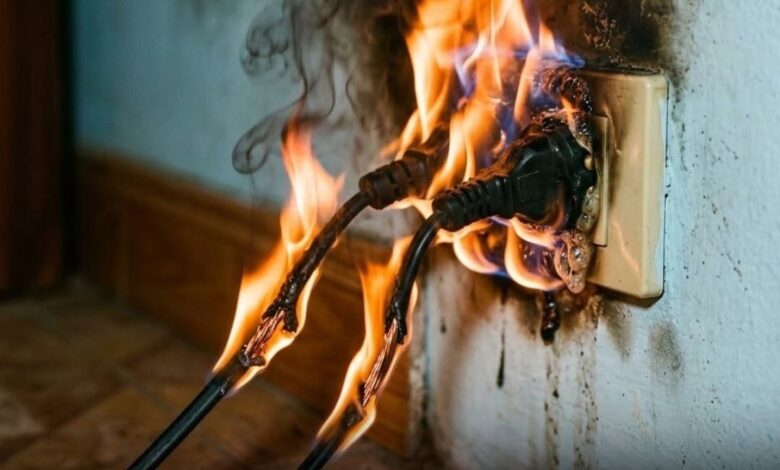
Many household appliances continue drawing electricity after they appear to be switched off. Others create avoidable safety risks when they remain connected to power for hours without supervision. Unplugging selected devices after use can reduce standby consumption, protect equipment from voltage fluctuations, and remove one possible source of overheating.
The advice does not mean every appliance must be disconnected constantly. Refrigerators, freezers, security systems, and medical equipment are designed to remain powered. The practical focus is on portable or occasional-use devices that offer no benefit when left connected.
Phone and laptop chargers are the first common example. A charger may consume only a small amount when no device is attached, but millions of people leave several adapters connected around the clock. More importantly, worn cables, damaged plugs, cheap replacements, or chargers covered by bedding can overheat. Disconnecting them after charging also prevents batteries from remaining unnecessarily at full charge for long periods.
Countertop cooking appliances form another group. Toasters, air fryers, electric kettles, sandwich makers, and hot plates use heating elements that reach high temperatures. A faulty switch or electrical problem can create danger even when nobody intends to operate the appliance. Once the device has cooled, removing the plug is a simple way to ensure that it cannot activate accidentally.
Portable heaters deserve particular attention because they draw substantial power and generate intense heat. They should never be left running unattended or connected through unsuitable extension cords. The safest routine is to switch the heater off, unplug it, and allow it to cool before leaving the room or going to sleep.
Hair tools such as straighteners, curling irons, and hair dryers are also easy to forget during a rushed morning. Their heating components can remain dangerously hot after use. Unplugging them immediately and placing them on a heat-resistant surface prevents an accidental restart and reduces the chance that the cord or plug will remain under electrical stress.
Televisions, game consoles, speakers, and entertainment systems may use standby power while waiting for a remote-control signal or downloading updates. One device may consume little, but several components connected to the same area can create continuous energy use. A switchable surge protector makes it easier to disconnect the entire group when the equipment will not be used for an extended period.
The purpose of these precautions is not alarm. Modern appliances that are certified, maintained, and used correctly are generally reliable. Problems are more likely when cords are damaged, outlets are loose, ventilation is blocked, or high-powered equipment is connected to inappropriate adapters.
Before unplugging anything, users should follow the manufacturer’s instructions. Pull the plug itself rather than yanking the cable, and never handle electrical equipment with wet hands. If a plug becomes unusually hot, produces sparks, smells burned, or makes a buzzing sound, stop using it and have the appliance or outlet inspected.
Surge protectors can help protect electronics, but they are not permanent solutions. They wear out, and an overloaded strip can create its own hazard. Large appliances should be connected according to their electrical requirements, not crowded onto a lightweight extension lead.
A short household routine can make these recommendations manageable. Before bed or before leaving home, check charging areas, the kitchen counter, portable heaters, hair tools, and entertainment equipment. The goal is to disconnect what is finished, not to disrupt appliances that must operate continuously.
The financial savings from one unplugged charger may be modest. The larger benefit comes from applying the habit across several unused devices over months and years. More importantly, disconnecting heating appliances and damaged accessories eliminates risks that provide no compensating benefit.
Unplugging selected appliances is therefore a practical form of maintenance. It encourages people to notice worn cords, overcrowded outlets, and equipment left operating without purpose. Small actions cannot prevent every electrical fault, but they can reduce unnecessary consumption and remove hazards before they become emergencies.