Why Ground Beef Can Look Different—and What Shoppers Should Check
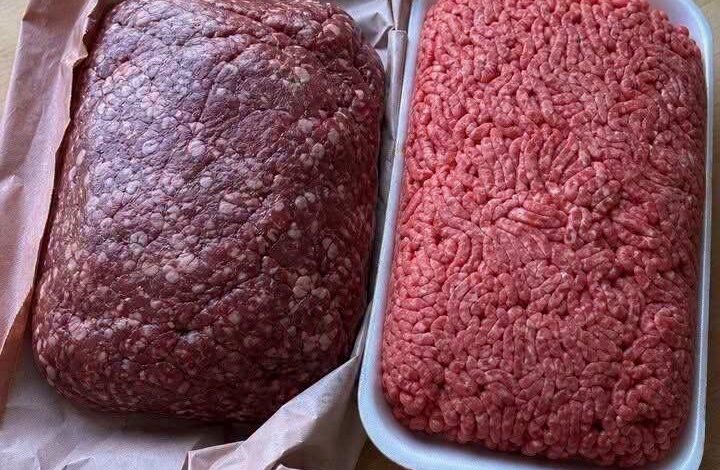
Two packages of ground beef can look dramatically different even when both are safe and correctly labeled. Color, texture, fat content, grinding method, packaging, and exposure to oxygen all influence what shoppers see at the meat counter.
Bright cherry-red beef has usually been exposed to oxygen, which forms oxymyoglobin at the surface. Meat sealed away from oxygen may appear darker or purplish. A brown interior does not automatically mean spoilage, just as a bright exterior does not guarantee freshness.
Read the label, not just the color
Check the cut or product name, lean-to-fat ratio, sell-by or use-by date, handling instructions, and inspection information. Ground chuck, ground round, and generic ground beef may differ in flavor and fat content. Packaging style can also produce a tighter or looser texture.
Warning signs include a strong unpleasant odor, a sticky or slimy surface, damaged packaging, or meat stored above safe refrigeration temperatures. Keep raw beef cold, prevent its juices from touching other foods, and cook ground beef thoroughly according to food-safety guidance.
Sweeping online claims about secret substitutions require evidence from regulators, product recalls, or documented testing. A photo alone cannot establish fraud. Careful labeling checks and safe handling give shoppers far more useful information than appearance by itself.