Hidden Details Inside Cracker Barrel Most Visitors Never Notice
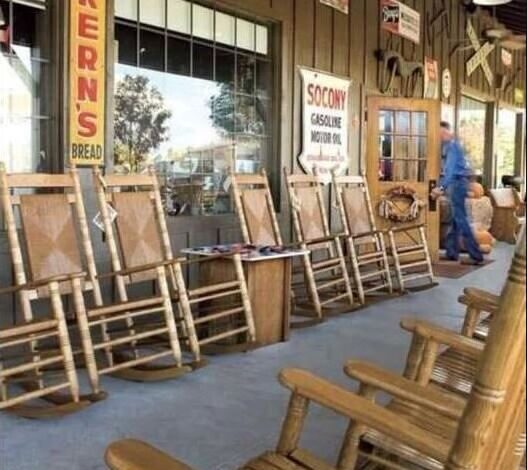
Cracker Barrel begins creating a familiar feeling before visitors ever reach a dining table. The porch, rocking chairs, wooden floors, fireplace, old advertisements, country store, and tabletop peg games make each location resemble a roadside stop from another period. The atmosphere may appear naturally assembled, but nearly every element contributes to a carefully planned experience centered on comfort and nostalgia.
The design starts outside with rows of rocking chairs. Instead of treating waiting as wasted time, the porch encourages travelers to slow down. It resembles the entrance to an old general store or family home and gives customers a recognizable place to gather. The chairs have also become popular products, allowing visitors to take part of the experience home.
Once inside, guests usually move through the retail store before entering the dining area. That route is intentional. Displays of old-fashioned candy, seasonal decorations, clothing, toys, and gifts keep people occupied while tables are prepared. Shopping and dining blend into one continuous visit without the store feeling like an unrelated section.
The objects covering the walls are another important detail. Farming tools, photographs, signs, household items, and kitchen equipment are chosen and organized to suggest a believable history. The collections vary by location, so regular customers see something different while still recognizing the same overall Cracker Barrel identity.
That balance prevents the restaurants from feeling completely standardized. Identical walls would make the nostalgia look artificial, but entirely different interiors would weaken the brand. By combining varied objects with a consistent layout, each restaurant feels both familiar and slightly individual.
Lighting and materials strengthen the impression. Warm colors, dark wood, fireplaces, and closely grouped decorations make large commercial rooms feel smaller and more domestic. The setting avoids a sleek, modern appearance and instead suggests age, stability, and permanence.
The triangular peg game on many tables may be one of the smallest design choices, yet it has become an iconic part of the restaurant. The puzzle is easy to understand but difficult to master. It gives diners something tactile to do while waiting and often starts conversation among family members.
The menu supports the same story. Breakfast plates, biscuits, gravy, vegetables, and other comfort foods fit the image of a country kitchen. Customers are not only buying a meal; they are being invited to connect it with road trips, grandparents, holidays, and an idealized version of small-town life.
Nostalgia works even when the memory is not personal. A visitor may feel comfortable around signs and tools they never owned because those objects suggest continuity and simplicity. The country store builds on that feeling by offering vintage-style toys and familiar candy that remind adults of childhood while entertaining younger visitors.
None of these techniques are accidental, and that does not make them dishonest. Every restaurant uses design to influence mood. Cracker Barrel simply applies its theme with unusual consistency. The porch slows the arrival, the store creates discovery, the antiques create history, the game fills the wait, and the food completes the promise.
The real hidden detail is not a single secret object. It is the coordination of hundreds of ordinary items. Together they turn a meal into a carefully constructed story about travel, home, and the comforting pull of the past.