Vice President JD Vance Recalled For Emergency White House Situation Room Summit
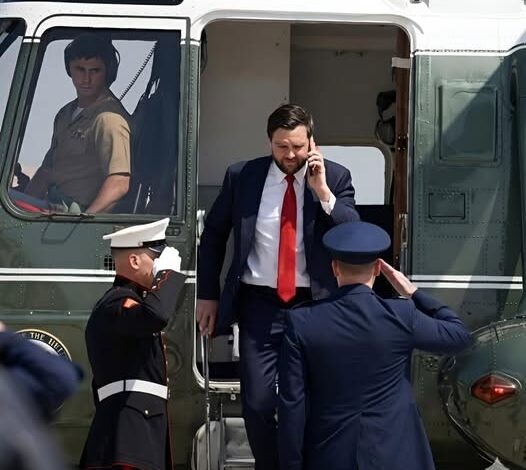
Vice President JD Vance was reportedly redirected to Washington for an urgent White House Situation Room meeting as officials reviewed a rapidly developing national-security issue. The abrupt schedule change prompted immediate speculation about military options, diplomacy, and the administration’s next public statement.
An emergency return by a vice president does not automatically indicate that a military operation is imminent. Situation Room meetings can be convened to review intelligence, coordinate agencies, prepare diplomatic responses, or evaluate several possible scenarios before the president makes a decision.
According to the account surrounding the recall, the meeting focused on tensions involving Iran, regional missile exchanges, nuclear negotiations, and security around the Strait of Hormuz. That waterway is strategically important because a substantial share of global energy shipments passes through it. Any disruption can affect fuel prices, shipping insurance, and international markets.
Vance’s presence would be relevant because the vice president participates in senior national-security deliberations and may help communicate between diplomatic, military, and political teams. Reports described him as supporting the goal of preventing Iran from obtaining a nuclear weapon while leaving room for a negotiated outcome.
The Situation Room brings together the president, vice president, military leadership, intelligence officials, diplomats, and senior advisers. Each group approaches a crisis differently. Intelligence agencies assess capabilities and intentions. Military officials explain operational risks. Diplomats evaluate possible agreements and international support. Economic advisers consider consequences for energy and trade.
Before acting, officials must distinguish verified intelligence from public claims made by governments involved in the confrontation. Statements from Tehran, Jerusalem, Washington, and other capitals may be designed to deter opponents or influence negotiations. Private assessments can therefore differ substantially from public rhetoric.
A central question is whether inspections and enforceable limits could produce a credible nuclear agreement. Any deal would require clear obligations, reliable monitoring, and consequences for violations. Critics of negotiations often argue that agreements can delay rather than eliminate risk. Supporters contend that diplomacy can prevent escalation and provide access that military pressure alone cannot secure.
The administration must also consider the danger of miscalculation. A limited strike, missile launch, or maritime incident can trigger retaliation beyond what either side originally intended. Regional allies have their own priorities, which may not perfectly match those of the United States.
News organizations often describe an unscheduled meeting as evidence of an immediate emergency, but official confirmation matters. Without a detailed White House statement, claims about the reason for Vance’s return, the intelligence presented, or decisions reached should be treated cautiously.
The public may see a motorcade, altered flight, or canceled appearance while knowing little about the substance of the discussion. Operational secrecy is sometimes necessary, but prolonged silence also creates space for rumors.
After the meeting, attention would naturally shift toward official briefings, congressional consultation, allied reactions, and observable changes in military posture. Those signals provide more reliable evidence than anonymous predictions about what will happen within hours.
The recall underscored the pressure facing senior leaders during a volatile international dispute. Their responsibility is not simply to appear decisive. It is to evaluate evidence, understand second-order consequences, and preserve options.
Whether the meeting advances diplomacy or prepares a stronger response depends on facts not fully available to the public. Until the administration releases verified details, the most accurate conclusion is limited: Vance’s schedule changed for high-level national-security consultations, and the outcome must be judged by confirmed actions rather than speculation.