The Tragic Passing of Hollywood’s Ultimate Unsung Legend Leaves the Entire Entertainment Industry Shattered and Speechless
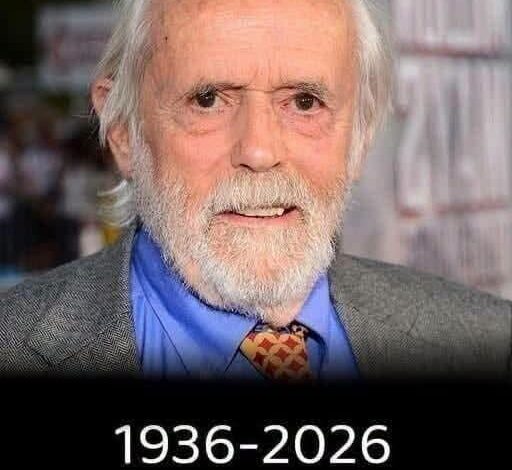
Matt Clark, the veteran character actor whose grounded performances strengthened more than a hundred film and television productions, died at his home in Austin, Texas, on March 15, 2026. He was 89. His wife confirmed that his death followed complications from spinal surgery.
Clark rarely occupied the center of a movie poster, yet audiences recognized him instantly. Across a career lasting more than five decades, he became one of Hollywood’s most dependable supporting actors—a performer capable of making a fictional town, courtroom, saloon, police station, or family feel real simply by entering the scene.
He was particularly associated with Westerns. His weathered presence and understated intensity fit naturally into films such as The Outlaw Josey Wales, The Cowboys, The Culpepper Cattle Co., and other stories built around frontier hardship. He played lawmen, outlaws, workers, officials, and eccentric townspeople without reducing them to background decoration. Even a short appearance carried the suggestion that the character had lived an entire life before the camera found him.
Clark also appeared in major productions outside the genre, including In the Heat of the Night, Brubaker, and numerous television programs. Younger viewers often discovered him as Chester the bartender in Back to the Future Part III. The role was small, but his timing and authentic Western manner helped make the 1885 setting feel inhabited rather than staged.
That ability defined his work. Clark did not need dramatic speeches or exaggerated gestures to attract attention. He listened, reacted, and made the actors around him more believable. Directors trusted him because he could take a thinly written role and give it texture without pulling focus away from the larger story.
His creative life extended beyond acting. Clark wrote, directed, and worked in theater, bringing an understanding of storytelling that informed everything he did on screen. Before establishing himself in Hollywood, he was involved with the Living Theatre in New York and developed his craft through stage work. That background gave him discipline and a respect for ensemble performance.
Away from sets, Clark was known for independence and practical skill. Accounts of his life often mention that he built his own home by hand, a detail that suited the straightforward, self-reliant quality audiences associated with many of his characters. He avoided the excesses of celebrity culture and seemed more interested in the work than in being recognized for it.
His death prompted tributes from viewers and industry colleagues who understood the value of actors like him. Films depend on stars to attract attention, but they depend on skilled character performers to create a convincing world. Clark supplied that foundation again and again.
The measure of his legacy is visible in how often his films remain watchable. Audiences may begin a movie for the famous leading actor, then notice Clark in a few carefully played scenes and wonder where they have seen him before. The answer is usually: almost everywhere.
Matt Clark’s career proves that screen presence is not determined by billing. He turned supporting parts into fully formed people and gave authenticity to stories across generations. Hollywood has lost a familiar face, but the immense body of work he left behind ensures that his quiet influence will continue every time those films are shown.